




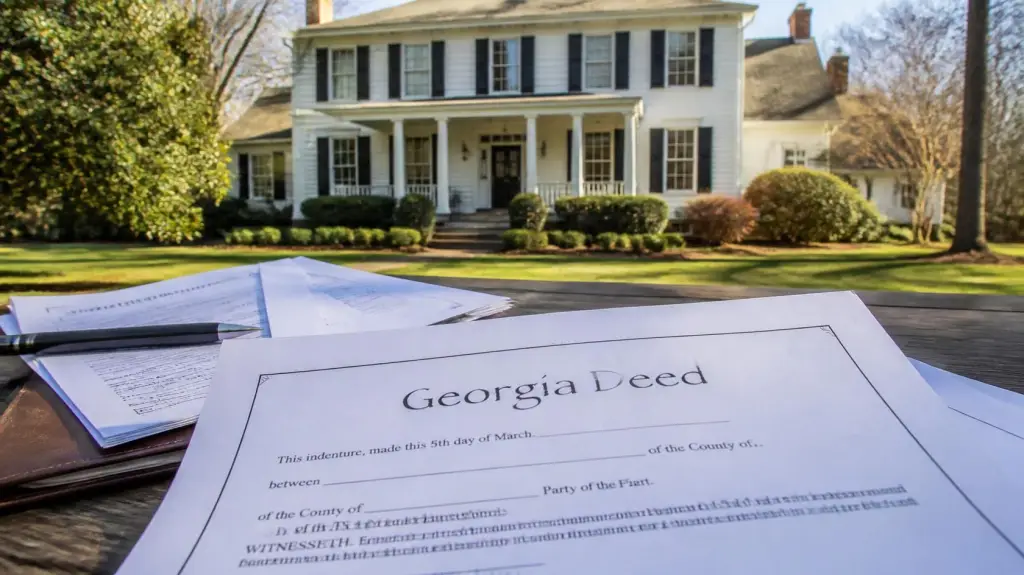
How Is an Estate Distributed in Georgia? A Guide for Heirs and Beneficiaries

Probate real estate agent reviewing estate distribution documents and beneficiary paperwork with Georgia heirs.

Explore more probate-related resources, tools including estate planning and real estate services.

Disclaimer: This site contains affiliate links. If you make a purchase through them, we may earn a small commission at no extra cost to you.

Table of Contents

What Happens to Property After Someone Dies?

Family reviewing documents for estate distribution in Georgia

When a loved one dies, families often focus first on the emotional and practical responsibilities that come with settling the estate. Eventually, another important question must be answered:

What happens to the assets of the estate, and who receives them?

That process is known as estate distribution.

For heirs and beneficiaries, estate distribution can involve money, personal belongings, real estate, investment accounts, and other assets. When an inherited house or other Georgia real estate is involved, understanding the distribution process can be particularly important.

The way an estate is distributed depends on factors such as the will, the assets owned by the deceased person, outstanding debts and expenses, probate requirements, and the instructions given to the personal representative.

This article explains four practical categories of testate distributions that heirs may encounter:

  1. Specific bequests
  2. Cash distributions
  3. Real property transfers
  4. The residuary estate

Important: These are practical categories for understanding estate distributions. Georgia law separately recognizes legal classifications of testamentary gifts, including specific, demonstrative, general, and residuary gifts. The exact classification of an asset depends on the will and circumstances of the estate.

If you are an heir or beneficiary dealing with inherited property in Georgia, understanding how the estate is supposed to distribute its assets can help you make informed decisions before property is transferred or sold.

Four Ways an Estate Can Be Distributed

Inherited Georgia house and documents for real property transfer

What Is Estate Distribution?

Estate distribution is the process of transferring estate assets to the beneficiaries or heirs who are entitled to receive them after the necessary estate administration requirements have been addressed.

A personal representative such as an executor named in a will may have responsibilities involving estate assets, debts, expenses, property management, sales, and distributions.

Estate assets generally should not simply be handed out immediately after death. The estate may first need to address debts, expenses, claims, taxes, property issues, and other administrative responsibilities.

For example, Georgia law provides rules concerning the administration and distribution of estate property. Georgia law also provides that title to estate property generally does not pass to heirs or beneficiaries until the personal representative assents to its distribution, subject to statutory exceptions.

This is particularly important when the estate includes real estate.

1. Specific Bequests

A specific bequest is a gift of particular property identified for a particular beneficiary.

For example, a will might leave:

  • A particular vehicle to one child
  • A piece of jewelry to a grandchild
  • A particular bank account to a beneficiary
  • A specific house or parcel of land to a named person

The important feature is that the gift identifies particular property.

Specific gifts can become complicated if the asset described in the will is no longer part of the estate when the person dies.

For example, suppose a will leaves a particular house to one child, but the owner later sells the house. The family should not automatically assume that the beneficiary receives the sale proceeds instead. The legal consequences can depend on the circumstances and the wording of the estate documents.

That is one reason heirs should review the actual will and estate documents rather than relying solely on family conversations.

2. Cash Distributions

Cash distributions are another common part of estate distribution in Georgia.

An estate may have cash from:

  • Bank accounts
  • Investment accounts
  • Proceeds from a property sale
  • Sale of personal property
  • Refunds or receivables
  • Other liquid estate assets

A will might provide a specific dollar amount to a beneficiary. Alternatively, cash may remain after other gifts and estate obligations have been addressed and become part of the residuary estate.

Cash From an Inherited Property Sale

Inherited real estate can also produce cash that eventually becomes available for distribution.

For example:

  1. A parent dies owning a Georgia house.
  2. The house becomes part of the estate.
  3. The personal representative manages the property.
  4. The property is sold if permitted and appropriate.
  5. Sale proceeds are received.
  6. Applicable expenses and obligations are addressed.
  7. Remaining funds are distributed according to the estate plan or applicable law.

Heirs should not automatically assume that the gross sales price is the amount they will receive.

Closing costs, liens, expenses, debts, administration costs, and other obligations may affect the amount available for distribution.

3. Real Property Transfers

Real estate is often one of the most significant assets in an estate.

Examples of real property include the following:

  • A family home or vacation home
  • Vacant land
  • Rental or commercial property
  • A farm or other agricultural property

A will may direct that a particular property be transferred to a named beneficiary. Real estate may also fall into the residuary estate and ultimately be distributed among multiple beneficiaries.

How Does an Inherited Property Transfer Occur?

Georgia law provides that title to estate property generally remains with the personal representative for purposes of administration until the personal representative assents to its distribution, subject to statutory exceptions. For real property, that assent should be evidenced in writing through a deed of conveyance.

This means that being named as a beneficiary does not necessarily mean every administrative step associated with transferring a house has already been completed.

The estate may still need to complete the applicable probate and administration requirements.

Multiple Heirs and Real Property

Real estate can become especially complicated when several beneficiaries inherit the same property.

For example, three siblings may each receive an interest in a house. They may then need to determine whether to:

  • Keep the property
  • Have one sibling buy out the others
  • Rent the property
  • Sell the property
  • Transfer ownership interests
  • Pursue another arrangement permitted by the estate documents and applicable law

Inheriting real estate is different from receiving cash.

A property comes with ongoing responsibilities such as maintenance, insurance, taxes, utilities, repairs, and potential disagreements among co-owners.

4. The Residuary Estate

The residuary estate is generally the property that remains after assets have been effectively disposed of through other provisions of the will.

Georgia law defines a residuary testamentary gift as including property that has not been effectively disposed of by other provisions of the will.

Consider a simplified example:

A will provides:

  • $10,000 to a daughter
  • A specific vehicle to a son
  • A particular house to a spouse
  • Everything else to three children equally

The “everything else” provision is generally the residuary clause.

The residuary estate can therefore be extremely important because it may determine who receives assets that were not otherwise specifically addressed.

If an inherited Georgia property is being distributed to you and other family members, make sure everyone understands who will own the property and what responsibilities will follow. Read our article Selling an Inherited Home for understanding the steps involved.

How Estate Distribution Affects Your Family

Why the Residuary Estate Matters

Families sometimes focus heavily on specific gifts and overlook the residuary clause.

That can create confusion when an estate contains assets that were not specifically mentioned.

For example, the deceased person may have acquired additional bank accounts, investment assets, personal property, or real estate after creating the will.

If those assets are not otherwise effectively disposed of, the residuary clause may determine who receives them.

The residuary estate can also be affected by estate obligations. Georgia law generally provides that debts and administration expenses are paid from the residuum unless the will directs otherwise.

What Happens Before Estate Assets Are Distributed?

Estate distribution is usually not the first step after death.

The personal representative may need to:

  1. Locate and review the will.
  2. Open or administer the estate as required.
  3. Identify estate assets.
  4. Determine outstanding debts and expenses.
  5. Protect and manage estate property.
  6. Address claims against the estate.
  7. Handle necessary tax and administrative matters.
  8. Determine which assets should be distributed or sold.
  9. Complete required documentation.
  10. Distribute the appropriate assets to beneficiaries.

The exact process can vary from one estate to another.

What If the Estate Does Not Have Enough Money?

Another important consideration is whether the estate has enough assets to satisfy its obligations and the gifts described in the will.

A will may contain several different types of gifts, but those gifts do not necessarily exist independently of the estate’s debts and expenses.

Georgia law contains rules addressing the reduction, or abatement, of certain testamentary gifts when the residuary estate is insufficient to satisfy debts and administration expenses.

Because the consequences can be significant, beneficiaries should not assume that a particular gift can be received without considering the estate as a whole.

Why Understanding Distribution Can Help Families

Georgia family navigating inherited property and making decisions after a loss of a loved one, leaving real estate to multiple beneficiaries.

Knowing how assets are distributed can help heirs move from uncertainty toward a clearer plan.

For example, a family that understands that a house is part of the residuary estate may approach the property differently from a family in which the will specifically leaves the house to one person.

Likewise, understanding the difference between a cash distribution and a real property transfer can help beneficiaries recognize that receiving an ownership interest in a house may involve ongoing responsibilities that a cash payment does not.

The goal is not simply to determine who gets what.

The goal is to understand what each distribution means for the beneficiary going forward.

Before accepting an inherited property interest, explore our blog What to Do With Inherited House to learn what options heirs can pursue when making property decisions. Understand the asset being distributed, the ownership arrangement, the responsibilities that come with it, and the decisions that may need to be made later.

What Heirs Should Do Before Property Is Distributed

What Should Heirs Do When Estate Distribution Involves a House?

When inherited real estate is part of the distribution, heirs should slow down and identify exactly what is happening with the property.

Consider these questions:

  • Who is supposed to receive the property?
  • Is the property specifically described in the will?
  • Is the property part of the residuary estate?
  • Are multiple beneficiaries receiving an interest?
  • Does the estate have debts or expenses that could affect the property?
  • Is the property supposed to be sold instead?
  • Who is responsible for insurance, utilities, maintenance, and taxes while the estate is being administered?
  • What documents are required to transfer the property?

Keeping these questions organized can help prevent misunderstandings.

Estate Distribution and Family Communication

Estate distribution is not only a financial process. It can also be an emotional one.

Siblings and other beneficiaries may have different expectations about inherited property.

One person may want to keep the family home. Another may need the money from a sale. Someone else may believe the property should be rented.

The will and applicable law matter more than informal family expectations, but clear communication can make the process easier.

Families can reduce confusion by discussing:

  • What the will actually says
  • Which assets are specifically gifted
  • Which assets are part of the residuary estate
  • Whether real estate should be transferred or sold
  • How expenses are being handled
  • What documentation is needed
  • When distributions can realistically occur

A Practical Estate Distribution Record

Executor organizing records for estate distribution in Georgia.

Families may also benefit from keeping an organized record showing:

  • Estate assets
  • Beneficiaries
  • Specific gifts
  • Property valuations
  • Estate expenses
  • Property-related expenses
  • Sale proceeds
  • Distributions already made
  • Documents supporting completed transfers

This can make it easier for beneficiaries to understand what has happened and what remains outstanding.

If your family is preparing to distribute an inherited Georgia property, consider creating a written record of the property, beneficiaries, estate expenses, decisions, and completed transfers. When legal or probate questions arise, consult the appropriate Georgia probate or real estate professional for advice specific to the estate.


Frequently Asked Questions About Estate Distribution in Georgia

What is estate distribution?

Estate distribution is the process of transferring estate assets to beneficiaries or heirs who are entitled to receive them after applicable estate administration requirements are satisfied.

What are the four types of estate distribution discussed in this article?

This article uses four practical categories: specific bequests, cash distributions, real property transfers, and the residuary estate. These are practical categories for explaining how assets may be distributed, not a statement that Georgia law contains only four legal classifications of testamentary gifts.

Are specific bequests the same as the residuary estate?

No. A specific bequest generally identifies particular property for a particular beneficiary. The residuary estate generally consists of property not effectively disposed of through other provisions of the will.

Can an inherited house be distributed directly to an heir?

Yes, depending on the will, estate administration, and applicable Georgia law. Georgia law provides for the personal representative’s assent to distribution, with real property generally requiring written evidence such as a deed.

Can an inherited house be sold instead of transferred?

An estate may be able to sell real property when permitted by the will and applicable Georgia law. The authority and procedure depend on the circumstances of the particular estate.

What happens to money left after specific gifts are paid?

Property remaining after applicable gifts, debts, expenses, and other obligations may form part of the residuary estate and be distributed according to the residuary clause.

Do all heirs receive an equal share?

Not necessarily. A will may provide different gifts or percentages. If there is no valid will controlling the distribution, Georgia’s intestacy laws may determine how assets are distributed.

Final Thoughts

Understanding estate distribution in Georgia can help heirs make better decisions about inherited money, personal property, and real estate.

The four practical categories discussed here such as specific bequests, cash distributions, real property transfers, and the residuary estate which provide a useful framework for understanding how different assets may move from an estate to its beneficiaries.

For families inheriting real estate, one of the most important questions is whether the property is being specifically distributed, included in the residuary estate, or intended to be sold and converted into cash.

Disclaimer

This article provides general educational purposes only and does not constitute legal, financial, tax, estate planning, probate, or professional real estate advice. Your use of this website or communication through it does not create an client nor agency relationship. Georgia estate requirements can vary based on the will, assets, debts, beneficiaries, county requirements, and other circumstances. You should consult a qualified Georgia professional licensed or the probate court in your jurisdiction handling the proceeding before relying on any information provided herein. All content is accurate only as of its date of publication, and we are under no obligation to update outdated information. The owners, contributors, and data providers of this website disclaim all liability for any actions taken or not taken based on its content or any data displayed.

Disclosure

This article was created with AI assistance and reviewed by our editorial team to ensure accuracy and value for our readers. We’re pleased to share strategies and insights that may support our readers along their probate journey and goals. Just remember that everyone’s path is different, and what works for one person may not work the same way for another. Results can vary, and there are no guarantees. We hope you find something here that encourages, supports, and inspires you. Thank you for taking the time to visit!

Georgia probate real estate specialist supporting all families across Georgia.

Author

Shawn Wortham

Shawn is a Georgia real estate professional who helps homeowners, heirs, executors, and families with estate property matters throughout the probate process. He is passionate about providing helpful information and guidance during what can be a challenging life transition. Outside of work, Shawn enjoys spending time with family, watching movies, fishing, and traveling.

You might also like