



Why Caring for a Home During Probate Matters
When a loved one dies, families often focus immediately on the will, bank accounts, personal belongings, funeral arrangements, and the Georgia probate process.
But there is another important responsibility that can be easy to overlook: caring for a home during probate.
A house does not stop needing attention because its owner has died.
The grass still grows. Mail still arrives. A leaking pipe can still cause serious damage. Utilities may need to remain active. Insurance coverage may need to be reviewed. Someone may need to check the doors and windows. A storm can damage the roof. A notice from a county, utility company, mortgage lender, or homeowners association can arrive while the family is still working through the estate.
For families, the immediate goal is straightforward:
Protect the home while the estate is being settled.
An estate home may be one of the largest assets involved in probate. Depending on the circumstances, it may eventually be sold, transferred, or distributed according to the estate plan and applicable Georgia law.
However, families should not assume that being a relative or heir automatically gives them authority to occupy, sell, transfer, remove property from, or make major decisions concerning the home.
The authority available to a personal representative can depend on the will, probate orders, the type of administration, property ownership, and other circumstances.
That is why the first priority is generally to protect and preserve the property while the appropriate person determines what should happen next.
This guide explains caring for a home during probate in practical terms, focusing on six areas that may require immediate attention:
- Security
- Insurance
- Utilities
- Lawn and exterior maintenance
- Leaks and other damage
- Mail and important notices
A Vacant Home Can Develop Problems Quickly
A house that looks perfectly fine today can develop a serious problem tomorrow.
Consider a simple example.
A loved one dies in January. The family assumes the house can wait until spring because everyone is focused on the funeral, paperwork, and probate.
Two weeks later, a pipe begins leaking.
Nobody notices.
Water slowly damages the floor, wall, cabinet, or ceiling.
What might have been a small repair can become a much larger property problem.
This is why maintaining a home during probate should be treated as an important part of managing the estate.
Why Estate Property Needs Regular Attention
An unoccupied home can face risks such as:
- Burglary
- Vandalism
- Water leaks
- Plumbing problems
- Frozen or damaged pipes
- Roof leaks
- Storm damage
- Pest problems
- Mold and moisture
- Overgrown grass
- Fallen branches
- Broken windows
- Power outages
- Mail buildup
- Missed tax or utility notices
- Insurance problems
The home’s existing insurance policy also should not simply be ignored.
Homeowners insurance coverage depends on the specific policy, its terms, exclusions, limits, deductibles, and the circumstances involving the property. A change in ownership or occupancy can also make it important to contact the insurer and confirm what coverage applies.
The First Rule: Don’t Let the House Become “Nobody’s Responsibility”
One of the most common practical problems during estate administration is uncertainty.
The family may think:
“Someone else is checking the house.”
Meanwhile, everyone thinks the same thing.
The result can be a vacant property that goes days or weeks without an inspection.
A simple solution is to designate one person to coordinate regular home checks and maintain a written property log.
That person does not necessarily have to be the personal representative. However, major decisions involving estate property should be coordinated with the person who has the legal authority to act for the estate.
Choose one person to coordinate home inspections and maintain a written record. Make sure the person handling the estate knows about significant problems and expenses.
What Should Families Check at the Estate Home?
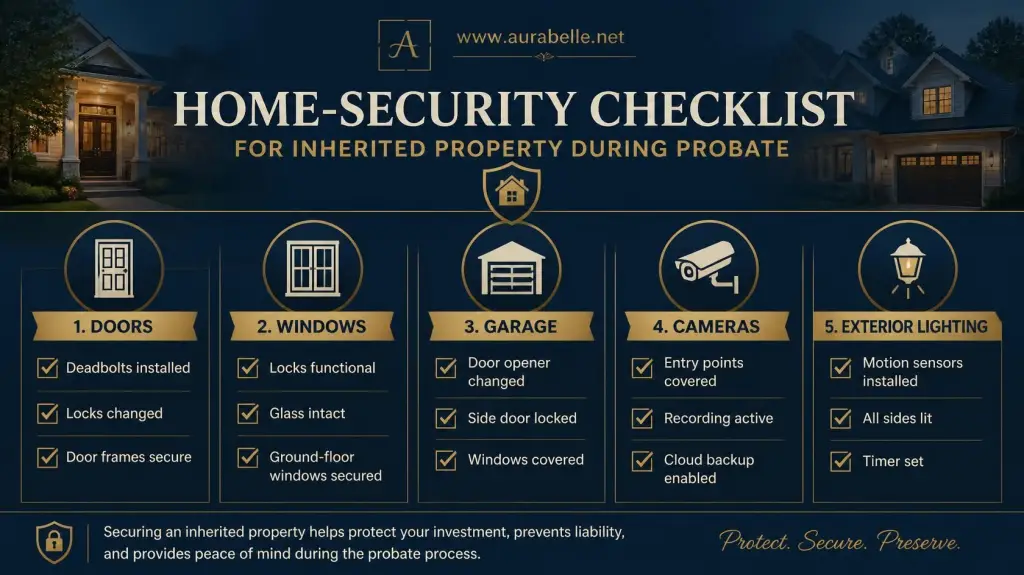
Once a family understands why the home needs attention, the next step is creating a simple checklist.
The following six categories cover many of the most common concerns.
1. Security: Protect the Home and Its Contents
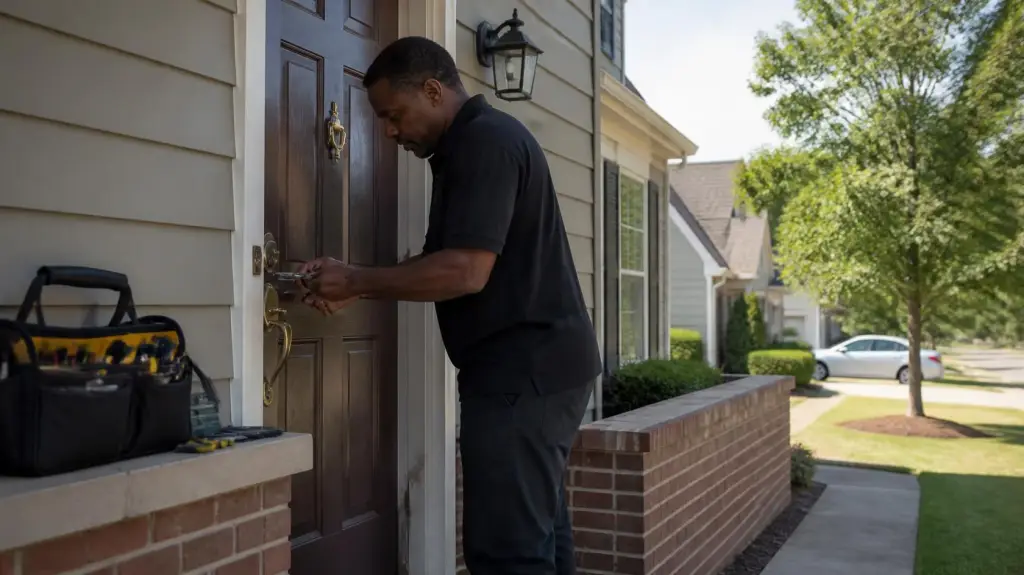
Security should be one of the first priorities when caring for a home during probate.
An empty house can attract attention from people who know the property is unoccupied.
Check the Doors and Windows
Make sure:
- Exterior doors are locked.
- Windows are closed and locked.
- Garage doors are secure.
- Basement or crawl-space entrances are secured.
- Sliding doors are locked.
- Outdoor storage buildings are secured.
- Gates are functioning.
- Spare keys are accounted for.
Do not assume that a key left under a flowerpot, in a mailbox, or with a neighbor is still secure.
Consider Who Has Access
Make a list of people who have keys or access codes.
This might include:
- Family members.
- Neighbors.
- Caregivers.
- Housekeepers.
- Contractors.
- Lawn-service workers.
- Property managers.
- Friends.
If someone no longer needs access, the estate may need to consider whether locks or access codes should be changed.
Protect Valuable Personal Property
A home may contain:
- Jewelry.
- Cash.
- Collectibles.
- Firearms.
- Important documents.
- Computers.
- Family photographs.
- Antiques.
- Artwork.
Do not remove valuable items simply because someone believes they will eventually inherit them.
The estate needs an accurate record of property before distribution.
Keep a Property Log
A simple checklist can include:
- Doors
- Windows
- Garage
- Exterior lighting
- Alarm system
- Cameras
- Gates
- Outbuildings
- Spare keys
For example: August 31 — Family member inspected home — Checked doors, windows, water, HVAC, and mail — No visible leaks — Mail collected — Lawn service scheduled.
This creates a useful record of probate property maintenance and can help the family keep track of problems, expenses, and repairs.
2. Insurance: Review Home Insurance During Probate
Home insurance during probate deserves early attention.
Families should not assume that the deceased person’s existing homeowners policy can simply continue unchanged until the property is sold.
The appropriate coverage depends on the policy and the circumstances of the property.
Contact the Insurance Company
Notify the insurer about the death and ask questions such as:
- Does the current policy remain in effect?
- Does the insurer need a death certificate?
- Does the insurer need information about the estate?
- Does the change in ownership affect coverage?
- Does the home’s occupancy status affect coverage?
- Does the insurer require regular inspections?
- Does the insurer need to know that the property is vacant or unoccupied?
- Is additional coverage necessary?
- What steps are required if the home will remain unoccupied for an extended period?
Whenever possible, keep written confirmation of important insurance communications.
Don’t Cancel Insurance Too Quickly
A family may see an insurance bill and think:
“Nobody lives there, so why keep paying for insurance?”
That can create unnecessary risk.
The home may still need coverage while the estate is being administered.
At the same time, families should not assume that the existing policy provides the same protection under every occupancy or ownership situation.
The safer approach is to notify the insurer and ask what coverage is appropriate for the estate home’s circumstances.
Check for Other Insurance
Depending on the property, the family may also need to identify:
- Flood insurance
- Wind or storm coverage
- Liability coverage
- Coverage for valuable personal property
- Coverage for detached structures
- Insurance for vehicles kept at the property
Not every type of damage is automatically covered by an ordinary homeowners policy. Families should review the actual policy and discuss questions with the insurer or a qualified insurance professional.
Call the insurance company early in the Georgia probate process. Tell the company the property owner’s situation has changed and ask what the estate needs to do to maintain appropriate coverage.
3. Utilities: Keep What the House Needs Running
Utilities are easy to overlook after someone dies.
A family may think:
“Nobody lives there, so let’s shut everything off.”
Sometimes reducing or ending a service makes sense.
Other times, doing so can create a new property problem.
Electricity
Electricity may be necessary for:
- Heating
- Air conditioning
- Refrigeration
- Security systems
- Sump pumps
- Well systems
- Exterior lighting
- Security cameras
- Fire alarms
- Water-heating equipment
The appropriate approach depends on the home’s condition, the season, the plumbing system, security needs, and insurance requirements.
For example, shutting off heat during cold weather could contribute to plumbing damage.
Water
Water service may need to remain available for inspections, cleaning, plumbing, irrigation, or other property needs.
In some circumstances, shutting off the home’s main water supply can reduce the risk of a major leak.
But families should understand the property’s plumbing system before making that decision.
Special equipment such as sprinkler systems, pools, wells, septic systems, or other water-dependent systems may require a different approach.
Gas
If the property uses natural gas or propane, determine:
- Which appliances use gas.
- Whether service should continue.
- Whether propane tanks need attention.
- Whether the furnace requires service.
- Whether there are known gas-related problems.
Never attempt to repair a suspected gas leak yourself. If there is an emergency or suspected gas leak, leave the area and contact the appropriate emergency or utility service.
Create a Utility List
Keep a list of:
- Electric company
- Gas company
- Water provider
- Sewer provider
- Garbage service
- Internet provider
- Security company
- Propane company
- HVAC service provider
Include account numbers and contact information when available.
Household expenses such as electricity, water, garbage, sewer, insurance, repairs, maintenance, lawn care, and pest control may need to be tracked as part of estate administration.
Do not automatically shut off every utility. Review what the property needs, consider the season and condition of the home, and coordinate significant changes with the person responsible for administering the estate.
Read our blog What are the First Steps of Executor to understand the role and responsibilities for managing an estate.
4. Lawn and Exterior Maintenance: Don’t Let the Property Look Abandoned
A home can quickly appear vacant when the lawn becomes overgrown.
That is more than a cosmetic concern.
Overgrown vegetation can:
- Make the property look unattended.
- Hide damage.
- Block sidewalks.
- Cover drainage problems.
- Attract pests.
- Lead to complaints from neighbors.
- Hide fallen branches.
- Make inspections more difficult.
Keep Up With Basic Lawn Care
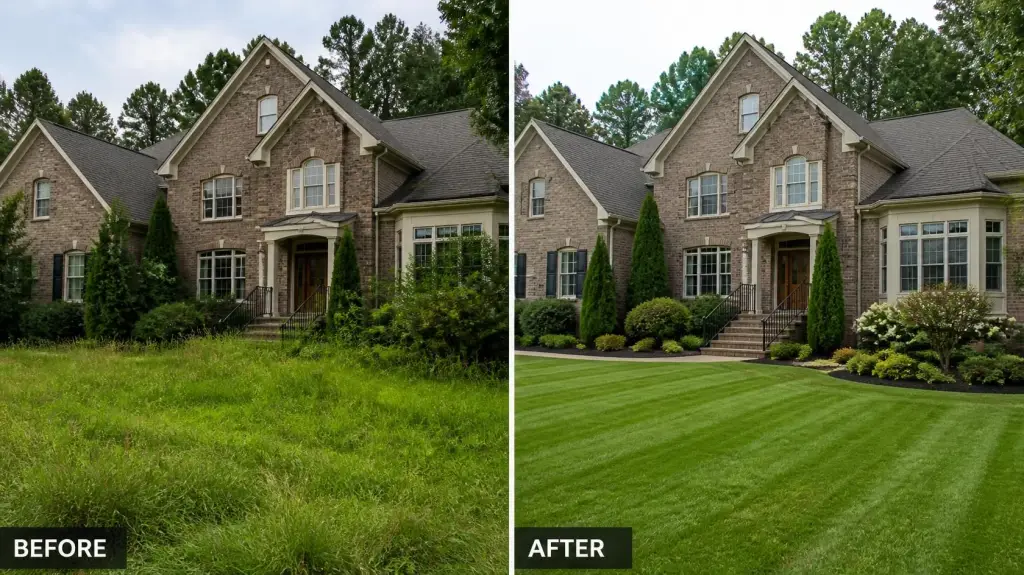
Depending on the season and property, maintenance may include:
- Mowing
- Trimming
- Leaf removal
- Tree maintenance
- Weed control
- Irrigation checks
- Fallen-branch removal
- Basic landscaping
Check the Exterior During Each Visit
Look at:
- Roof
- Gutters
- Downspouts
- Windows
- Doors
- Siding
- Brick
- Chimney
- Deck
- Porch
- Driveway
- Fence
- Exterior lights
- Mailbox
Look for anything that has changed since the previous inspection.
5. Leaks and Other Damage: Find Small Problems Before They Become Big Ones
This is one of the most important parts of maintaining a home during probate.
A small leak can become a major repair when nobody is living in the house.
Check for Water
Look under:
- Sinks
- Toilets
- Water heaters
- Washing machines
- Dishwashers
- Refrigerators with water lines
Also inspect:
- Ceilings
- Walls
- Floors
- Cabinets
- Basements
- Crawl spaces
Watch for:
- Water stains
- Bubbling paint
- Damp smells
- Mold
- Warped flooring
- Dripping sounds
- Unexplained puddles
Check the Roof After Severe Weather
Georgia weather can bring heavy rain, strong winds, and severe storms.
After significant weather, look for:
- Missing or damaged shingles
- Fallen branches
- Damaged gutters
- Broken windows
- Water stains
- Ceiling leaks
Do not climb onto a damaged roof yourself. If damage is suspected, contact an appropriate professional.
Document Damage
Take photographs and keep a written record of:
- Date
- Location
- Description of the problem
- Photographs
- Contractor contacted
- Estimate received
- Repair authorized
- Repair completed
- Amount paid
Documentation can help when communicating with the insurer, personal representative, beneficiaries, contractors, or other people involved in the estate.
Don’t Make Major Repairs Without Understanding Authority
Emergency action to prevent additional damage may be necessary.
For example, stopping an active leak or taking reasonable steps to prevent further property damage may require immediate attention.
But major renovations, remodeling, demolition, improvements, or other substantial property decisions should be coordinated with the person who has legal authority to act for the estate.
The authority of a personal representative over real property can depend on the governing estate documents, court orders, the type of administration, and applicable Georgia law.
When you find damage, document it first, take reasonable steps to prevent further damage, and promptly notify the person administering the estate. Keep all estimates, invoices, receipts, and communications.
Read our blog How Estate Debts and Expenses are Handled when bills arise and may need to be addressed depending on the circumstances.
6. Mail and Important Notices: Don’t Let Something Important Sit in the Mailbox
Mail can provide important information about a deceased person’s financial and property affairs.
It can also contain deadlines.
Check the Mail Regularly
Look for:
- Property-tax notices
- Mortgage statements
- Insurance notices
- Utility bills
- Bank statements
- Credit-card statements
- Government correspondence
- Court notices
- Homeowners association notices
- Contractor bills
- Tax documents
Do not automatically discard unfamiliar mail because it appears to be advertising.
A letter from an unfamiliar company could contain information about an account, debt, insurance policy, service, or obligation that the family did not previously know about.
Watch for Property Notices
Pay particular attention to notices involving:
- Property taxes
- Code violations
- Homeowners associations
- Utility shutoffs
- Insurance cancellations
- Mortgage payments
- Liens
- Court matters
A notice with a deadline should be brought promptly to the attention of the person handling the estate.
Consider Mail Forwarding
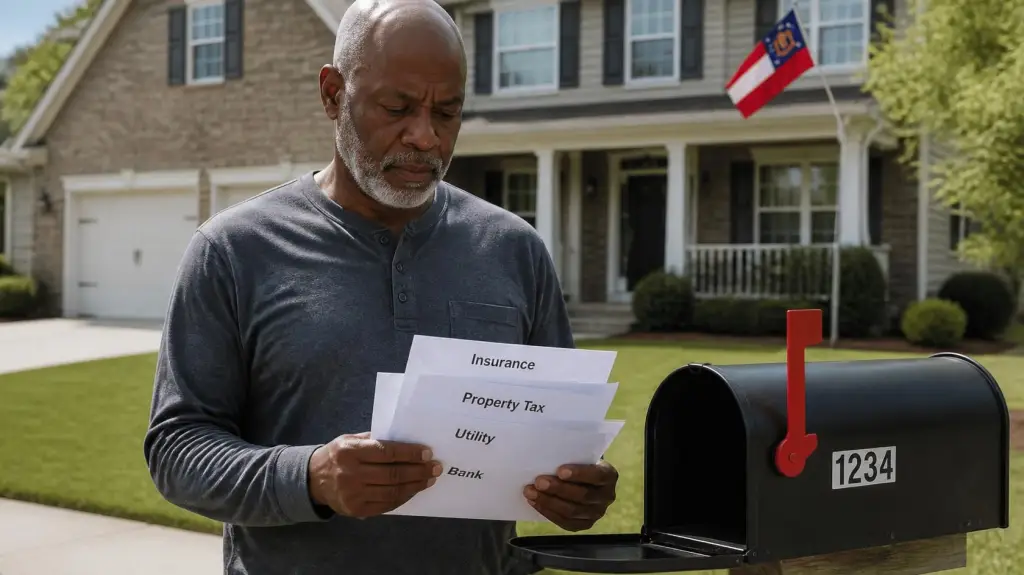
The person administering the estate may need to consider whether mail should be forwarded through the U.S. Postal Service.
The important point is that correspondence should reach the appropriate person and that important deadlines should not be missed simply because the home is vacant.
Turn Home Care Into a Simple Probate Checklist
Monthly Estate Home Review
At least periodically, review:- Insurance status
- Utility bills
- Property taxes
- Mortgage status
- Maintenance expenses
- Lawn service
- Pest control
- Repairs
- Security
- Property condition
- Property value
- Upcoming deadlines
Create an Estate Home File
A dedicated estate home file can keep important information in one place.Property
- Deed information
- Mortgage information
- Property-tax information
- HOA information
Insurance
- Insurance policy
- Agent contact information
- Claim information
- Written communications with the insurer
Utilities
- Electric
- Gas
- Water
- Sewer
- Garbage
- Internet
- Security
Maintenance
- HVAC
- Plumbing
- Roofing
- Lawn care
- Pest control
- Other contractors
Estate
- Probate information
- Personal representative information
- Court documents
- Property inventory
- Receipts
Communications
- Insurance calls
- Contractor communications
- Utility communications
- Government notices
- HOA communications
What Should Families Do Now?
The most useful thing a family can do is turn concern into action.
The First 48 Hours
If a home has just become part of an estate, focus on the basics:
- Secure the property.
- Identify who has keys and access codes.
- Check for obvious leaks or damage.
- Contact the insurance company.
- Identify essential utilities.
- Check the mail.
- Photograph the property’s condition.
- Identify urgent maintenance needs.
- Begin documenting expenses.
- Notify the person handling the estate about important problems.
The First Week
During the first week, create a more complete property plan.
Determine:
- Who will inspect the home.
- How often inspections will occur.
- Who handles lawn care.
- Who receives and reviews mail.
- Who communicates with the insurer.
- Who receives utility bills.
- Who responds to emergencies.
- What repairs are needed.
- What expenses need to be paid.
- What probate authority exists.
Don’t Assume a Family Member Automatically Controls the House
This is an important point for families navigating probate real estate.
Being the oldest child does not automatically make someone the estate administrator.
Being the surviving spouse does not automatically answer every question about property management.
Having the house key does not necessarily give someone legal authority to sell, transfer, lease, renovate, or distribute the property.
The person authorized to act for the estate should be identified through the appropriate estate documents and probate process.
Georgia law addresses the role and authority of personal representatives in administering estate property, but the specific authority available in a particular estate can depend on the circumstances.
When there is uncertainty, a Georgia probate attorney can help determine what authority exists before the family takes significant action involving the property.
Keep Receipts for Probate Property Maintenance
If someone pays for:
- Lawn care
- Emergency plumbing
- Locksmith services
- Pest control
- Insurance
- Utilities
- Repairs
- Security
- Other property maintenance
Keep the receipt.
A simple record can include:
Date + Vendor + Service + Amount + Reason
For example: September 2 — ABC Plumbing — Emergency leak repair — $425 — Prevented additional water damage.
Clear records can make it easier for the person administering the estate to evaluate expenses and maintain accurate estate records.
Not every expense should automatically be assumed to be an estate expense. Significant or disputed expenditures should be coordinated with the person legally responsible for the estate.
Create a “Home During Probate” folder today. Put the insurance policy, utility information, property documents, maintenance contacts, photographs, receipts, and notices in one place. Make sure the person handling the estate knows where the information is located.
A Simple Home-Protecting Checklist for Families
Security
- Are all doors locked?
- Are windows secure?
- Is the garage closed?
- Are valuable items protected and documented?
- Who has keys or access codes?
Insurance
- Has the insurer been notified of the owner’s death?
- Is current coverage still appropriate?
- Does the insurer know the home’s occupancy status?
- Are additional policies or coverage changes necessary?
Utilities
- Is electricity needed?
- Is water needed?
- Does the home need heating or cooling?
- Is gas service safe and appropriate?
- Are utility bills being monitored?
Lawn and Exterior
- Is the lawn maintained?
- Are trees or branches creating a hazard?
- Is the roof intact?
- Are gutters clear?
- Does the property look cared for?
Leaks and Damage
- Is there any dripping water?
- Are there water stains?
- Is there mold or moisture?
- Is there roof damage?
- Are there broken windows?
- Is there storm damage?
Mail and Notices
- Is mail being collected?
- Are property-tax notices being received?
- Are insurance notices being monitored?
- Are utility bills being received?
- Are HOA or government notices being reviewed?
FAQ: Caring for a Home During Probate in Georgia
Who is responsible for a house during probate?
Responsibility depends on the circumstances of the estate and who has legal authority to act.
A personal representative may have duties and powers involving estate property, but families should determine the applicable authority rather than assuming that any relative automatically controls the home.
Should utilities stay on during probate?
It depends on the property. Some homes may need electricity, water, heating, cooling, security systems, or other utilities to prevent damage or maintain necessary systems.
Before shutting services off, consider the property’s condition, weather, plumbing, security, insurance requirements, and any special equipment such as a well, septic system, pool, or sprinkler system.
Does homeowners insurance cover a vacant house during probate?
Do not assume that it does. Coverage depends on the policy and the circumstances. A change in ownership or occupancy may affect coverage, and the insurer should be notified about the owner’s death and the property’s current situation.
Ask the insurance company what coverage applies and whether any changes are required.
Who should pay for repairs to the probate house?
Necessary property expenses may be paid from estate funds when properly authorized and appropriate, but families should not assume that every repair can automatically be charged to the estate.
Keep receipts and coordinate significant expenses with the person legally responsible for administering the estate.
Can a family member move into the house during probate?
A family member should not assume that they have the right to occupy estate property simply because they are an heir or relative. The answer can depend on ownership, the estate documents, applicable law, the authority of the personal representative, and any relevant court orders.
If there is disagreement among family members, obtaining legal advice before someone moves into the property can help avoid a larger dispute.
Can the house be sold during probate?
A sale may be possible, but the authority and procedure depend on the estate and the powers available to the personal representative.
Georgia law provides circumstances in which a personal representative may be able to sell, rent, lease, exchange, or otherwise dispose of estate property for purposes such as paying debts or distributing the estate, subject to applicable limitations and authority.
Because the rules can vary by estate, families should not assume that a sale can proceed simply because someone believes the property should be sold.
What if the house has a serious leak?
If there is an active leak, take reasonable steps to prevent additional damage if it is safe to do so. Depending on the situation, this may include shutting off the water, contacting an emergency plumber, documenting the damage, and notifying the insurer.
Take photographs and keep records of all emergency work and expenses. The person handling the estate should be informed promptly.
Should someone check the home every week?
Regular inspections are a sensible way to identify problems early, especially when a property is vacant. Weekly checks may be appropriate in some situations, but the right frequency depends on the property, weather, insurance requirements, security arrangements, and other circumstances.
What happens to the house if there is no will?
The answer can depend on Georgia’s intestate succession rules, the property’s ownership, liens, debts, and other circumstances. A house may become part of the estate administration process, but families should not assume that a particular relative automatically owns it.
Final Thoughts: Protect the House While the Family Handles the Estate
Caring for a home during probate is about more than keeping the grass cut.
It is about protecting one of the estate’s most important assets while the family works through the Georgia probate process.
A home needs attention even when nobody lives there.
The six areas to remember are:
- Security: Keep the property protected and know who has access.
- Insurance: Notify the insurer and confirm that appropriate coverage remains in place.
- Utilities: Keep essential services running when necessary or shut them off appropriately.
- Lawn and exterior maintenance: Prevent the property from becoming neglected or developing preventable exterior problems.
- Leaks and damage: Find small problems before they become expensive ones.
- Mail and important notices: Make sure deadlines, bills, and financial information reach the appropriate person.
The goal is not to make every estate decision immediately.
The goal is to prevent avoidable damage, preserve the property’s condition, document what happens, and give the person handling the estate the information needed to make appropriate decisions.
A well-maintained home gives the family one less emergency to worry about.