


Planning the Future of Your Inherited Property
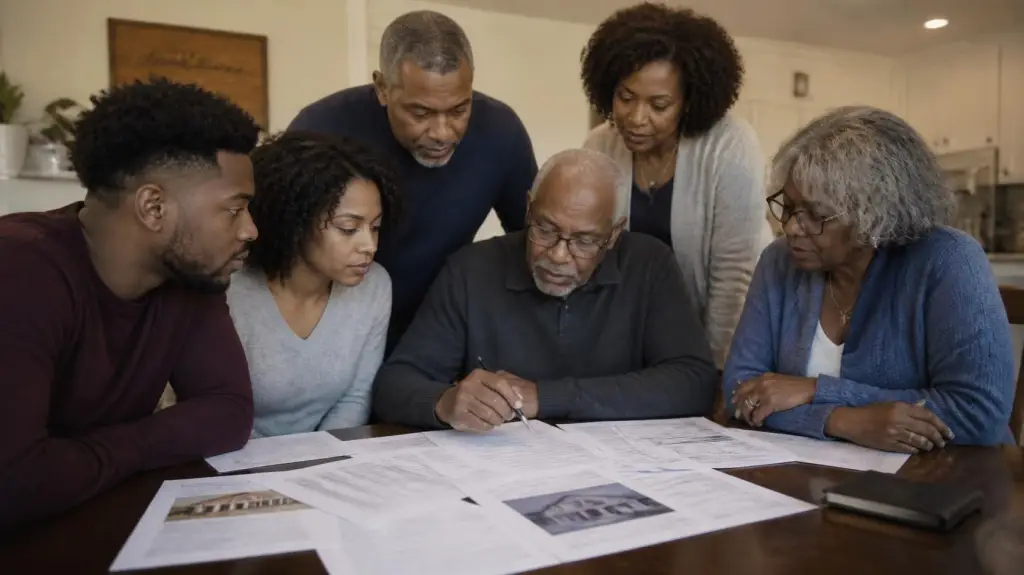
Creating a plan for inherited real estate can help families move forward with greater confidence and less uncertainty. Creating a Legacy Plan for Inherited Property in Georgia gives heirs an opportunity to think beyond the immediate responsibilities of an inherited home or property and consider how that real estate can support the family’s future.
An inherited home can represent much more than a financial asset.
It may represent:
- Family history
- Important memories
- A connection between generations
- A future opportunity for children and grandchildren
However, without planning, inherited property can become difficult to manage over time.
Families may face questions such as:
- Who will own the property in the future?
- Who will maintain the home?
- How will expenses be handled?
- What happens when the next generation inherits the property?
This guide explains how families can begin building a thoughtful plan for inherited real estate in Georgia while protecting relationships, property value, and future opportunities. Whether the family plans to keep the property, rent it, sell it later, or pass it to another generation, having a clear plan can make future decisions easier.
Understanding Creating a Legacy Plan for Inherited Property in Georgia
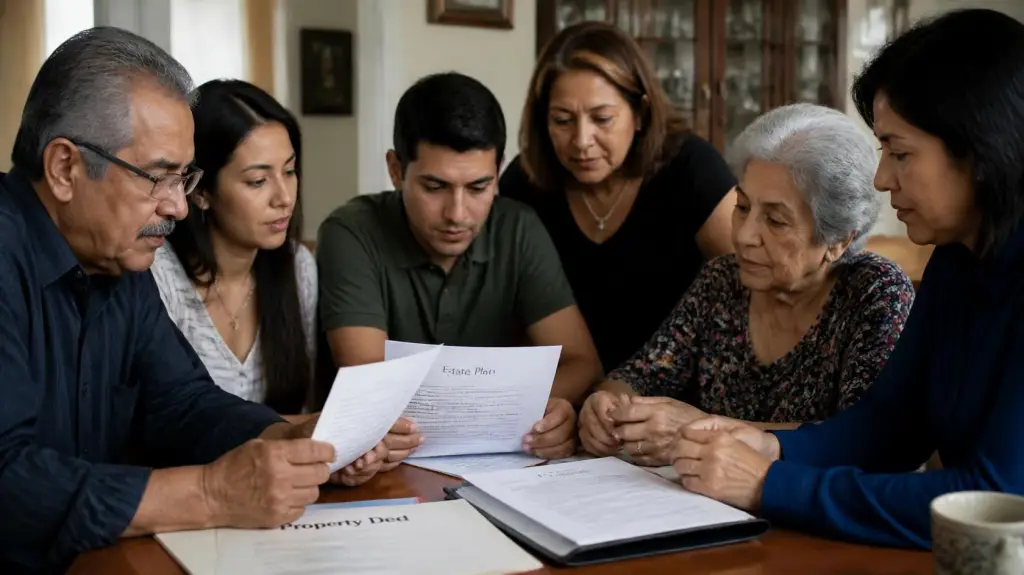
Creating a Legacy Plan for Inherited Property in Georgia Starts With a Family Vision
A legacy plan begins with understanding what the property means to the family.
Every family may have a different vision.
Some families want to:
- Keep the home for future generations
- Use the property as a family gathering place
- Create rental income
- Preserve an investment asset
- Eventually sell and distribute value
There is no single correct approach.
The important step is identifying what the family wants the property to accomplish.
Step 1: Define the Purpose of the Property
Families should discuss the role the property will play in the future.
Questions may include:
- Is this a family home?
- Is this a financial investment?
- Is this property intended for future heirs?
- Is this property meant to generate income?
Understanding the purpose helps guide future decisions.
For example:
A family vacation home may require a different plan than a rental property.
A property intended for future generations may require different ownership considerations than a property expected to be sold.
Step 2: Communicate Family Expectations
One of the most important parts of family estate planning is communication.
Families should discuss:
- Who may use the property
- Who manages responsibilities
- How expenses are handled
- How future decisions are made
Clear communication can reduce misunderstandings.
This becomes especially important when there are:
- Multiple heirs
- Multiple generations
- Different financial situations
Everyone may not have the same goals.
That is why early conversations are valuable.
Step 3: Understand Ownership Responsibilities
Owning inherited real estate involves ongoing responsibilities.
Families should consider:
Maintenance
Who will handle:
- Repairs
- Inspections
- Improvements
- Property care
Financial Responsibilities
Who will manage:
- Property taxes
- Insurance
- Utilities
- Maintenance costs
Decision-Making
How will the family decide:
- When repairs are needed
- Whether improvements should be made
- Whether ownership should change
A legacy plan should create clarity.
Protecting Family Property Through Planning
A legacy plan is not only about keeping property.
It is also about protecting value.
Families should consider ways to preserve the property’s condition and financial strength.
Important steps include:
Maintaining the Property
Regular maintenance helps protect:
- Home value
- Safety
- Usability
Examples include:
- Addressing repairs quickly
- Maintaining major systems
- Protecting against damage
Keeping Important Records
Families should organize:
- Property documents
- Repair records
- Tax information
- Insurance information
- Ownership documents
Good records help future heirs understand the property’s history.
Reviewing the Plan Over Time
A legacy plan should change as families change.
Important life events may require updates:
- Marriage
- Divorce
- New family members
- Financial changes
- Changes in family goals
A plan created today may need adjustments in the future.
Considering Future Generations
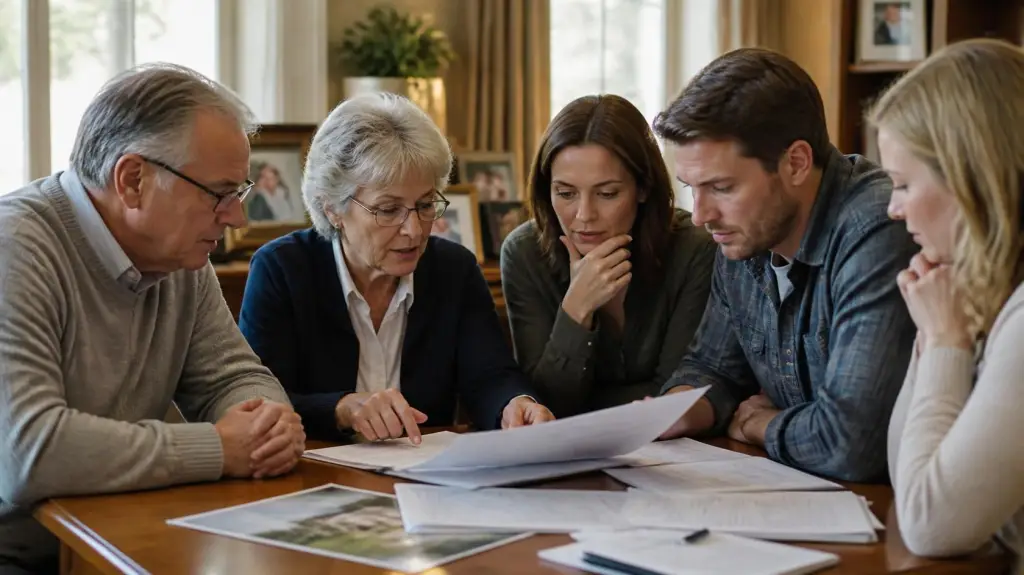
A major purpose of legacy planning is preparing future heirs.
Future family members may not understand:
- Why the property was kept
- Who is responsible
- What decisions were made
A written plan can provide guidance.
Families may document:
- The history of the property
- The family’s goals
- Important responsibilities
- Future expectations
This creates a connection between generations.
Building a Lasting Inherited Property Legacy
Creating a successful legacy plan requires families to think beyond the present.
A property that is passed from one generation to another requires more than ownership. It requires understanding, preparation, and shared responsibility.
A strong plan for Creating a Legacy Plan for Inherited Property in Georgia helps families answer important questions before future challenges occur.
Families should consider:
- What does this property represent?
- Who will be responsible in the future?
- How can the property be protected?
- What values should future generations understand?
The purpose of legacy planning is not simply keeping a house.
It is preserving the opportunity, memories, and choices connected to that property.
Building a Lasting Inherited Property Legacy
A family legacy plan can include several important areas.
1. Establish a Shared Family Vision
The first step is creating agreement about the property’s purpose.
Families should discuss:
- Why the property matters
- What role it plays in family history
- What the family hopes will happen in the future
For example:
- A family may decide the property should remain a gathering place for future generations.
- Another family may decide the best legacy is maintaining the property’s value and eventually using the proceeds for future needs.
Both approaches can be successful when they reflect the family’s goals.
2. Create Clear Ownership Expectations
Future confusion often occurs when ownership responsibilities are unclear.
Families should consider:
- Who may use the property
- Who manages daily responsibilities
- How decisions are approved
- How ownership changes will be handled
Clear expectations can help prevent disagreements among future heirs.
This is especially important when property is inherited by:
- Multiple children
- Multiple siblings
- Future generations
3. Prepare Future Heirs
A legacy plan should include education.
Future family members should understand:
- The property’s history
- Financial responsibilities
- Maintenance needs
- Family expectations
Without this information, future heirs may not understand why certain decisions were made.
Teaching future generations about the property helps create responsible ownership.
4. Consider Financial Sustainability
A property can be valuable while still requiring ongoing expenses.
Families should plan for:
- Property taxes
- Insurance
- Repairs
- Improvements
- Emergency costs
A long-term financial plan can help ensure future owners are prepared.
Families may consider options such as:
- Rental income
- Property improvements
- Refinancing strategies
- Future sale planning
The best choice depends on the family’s circumstances.
Protecting Generational Wealth Through Real Estate Planning
Inherited property can become part of a family’s generational wealth planning strategy.
Real estate has historically been an important way families preserve financial opportunities.
However, ownership alone does not create long-term success.
Families must also manage:
- Responsibilities
- Costs
- Decisions
- Communication
A property passed down without a plan may create challenges.
A property passed down with preparation can create opportunity.
Creating Your Inherited Property Legacy Checklist
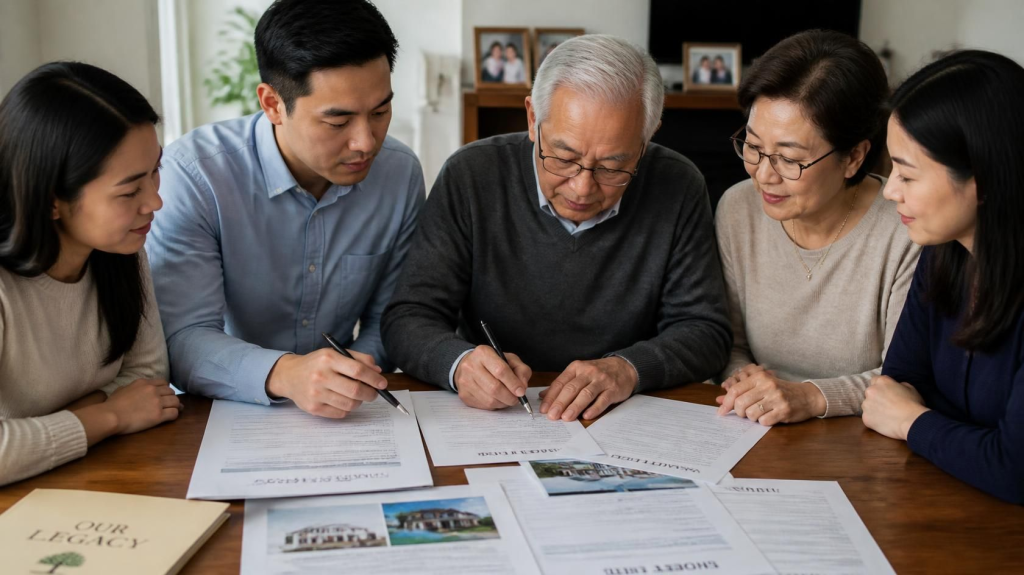
Families can begin building a legacy plan by following these steps.
Step 1: Document the Property Story
Record important information about the property.
Consider documenting:
- When the property entered the family
- Important memories
- Family traditions connected to the home
- Why the property matters
This information can help future generations understand the property’s significance.
Step 2: Organize Important Documents
Create a central location for:
- Deeds
- Estate documents
- Probate records
- Insurance information
- Tax records
- Repair history
- Property evaluations
Organized records make future decisions easier.
Step 3: Create Family Communication Guidelines
Families should decide:
- How often property discussions occur
- Who participates
- How decisions are made
- How disagreements are handled
Good communication helps protect relationships.
Step 4: Review Ownership and Future Plans
Families should regularly review:
- Ownership structure
- Property condition
- Financial responsibilities
- Family goals
Life changes over time.
A plan should change when circumstances change.
Step 5: Seek Professional Guidance When Needed
Legacy planning may involve several areas.
Families may benefit from guidance from:
- Estate planning professionals
- Real estate professionals
- Financial advisors
- Tax professionals
- Legal professionals
Professional guidance can help families understand available options and responsibilities.
If your family wants to preserve inherited property for future generations, start creating a written legacy plan today. Small planning steps can help protect the property’s value and create clarity for future heirs.
Frequently Asked Questions
What is a legacy plan for inherited property?
A legacy plan is a strategy that explains how a family wants to manage, protect, and make future decisions about inherited real estate.
Why is legacy planning important for inherited property?
Legacy planning helps families avoid confusion, protect property value, and create clear expectations for future generations.
Can inherited property become part of generational wealth?
Yes. When managed properly, inherited real estate may provide financial opportunities for future family members.
Do multiple heirs need a legacy plan?
A legacy plan can be especially helpful for multiple heirs because it provides guidance about ownership, responsibilities, and decision-making.
Should families keep inherited property forever?
Not always. Some families keep property for generations, while others eventually sell or transition ownership. The best choice depends on family goals.
How can families protect inherited property value?
Families can protect value through regular maintenance, proper documentation, financial planning, and thoughtful decision-making.
What professionals can help with inherited property planning?
Depending on the situation, families may seek help from estate planning professionals, attorneys, financial advisors, tax professionals, and real estate professionals.
Final Thoughts
Creating a Legacy Plan for Inherited Property in Georgia gives families an opportunity to look beyond the immediate question of what to do with an inherited home and begin thinking about what the property could mean for future generations.
An inherited property is more than a building.
It may represent:
- Family history and memories
- A valuable financial opportunity
- A connection between generations
- A potential source of long-term family wealth
Protecting that opportunity, however, requires more than simply keeping the property in the family. It requires communication, organization, and a willingness to discuss the future before important decisions become urgent.
Families can strengthen their plans by talking openly about ownership, responsibilities, property expenses, future goals, and how major decisions should be handled. Documenting important decisions can also help family members understand what was agreed upon and reduce confusion later.
The most important part of legacy planning for inherited property is not creating a perfect plan that covers every possible situation. It is creating a shared understanding.
Family circumstances may change. Property values may rise or fall. Heirs may move, change careers, start families, or develop different financial needs. A good legacy plan should be flexible enough to adapt while still providing a clear foundation for making future decisions.
The goal is to create a plan that reflects your family’s values, protects the property’s potential, and helps future heirs understand their responsibilities and opportunities.
A thoughtful legacy plan can turn inherited property from a difficult family responsibility into a more organized opportunity for the future.
By starting the conversation today, families can give future generations more than property. They can give them a clearer understanding of how to care for it, make decisions about it, and carry the family’s vision forward.