


Why Preparing an Estate Property Matters
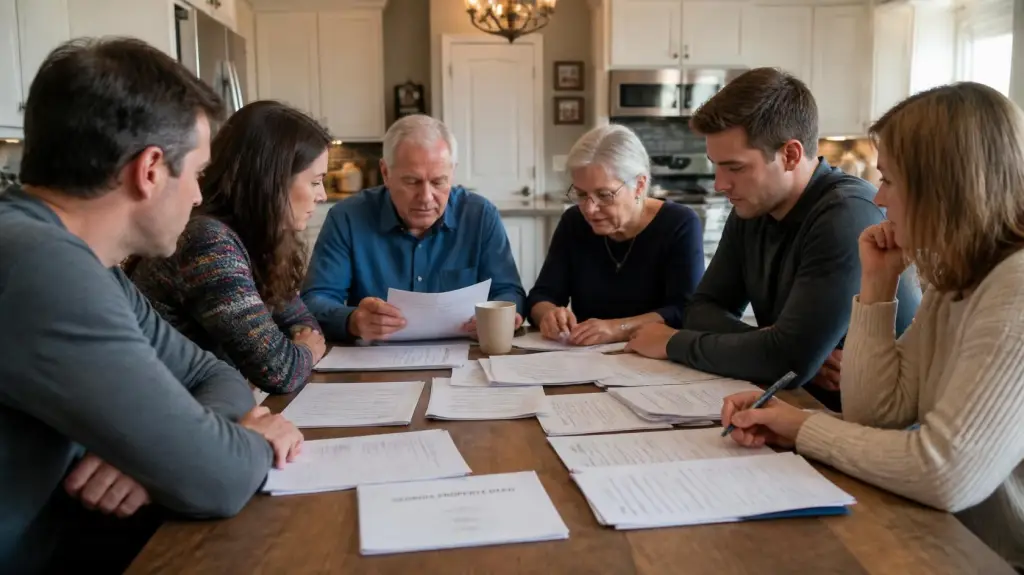
When a loved one passes away, families often face an immediate practical question: What should we do with the house, land, or other real estate while the estate is being settled? Preparing an estate property can feel overwhelming, especially when family members are also dealing with grief, paperwork, bills, and the Georgia probate process.
The good news is that families do not have to solve everything at once. A careful plan can help protect the estate property, control ongoing property expenses, preserve important records, and give the eventual personal representative better information for making decisions.
Georgia probate courts handle wills and the administration of estates. However, the exact steps can vary depending on the estate, the county, the will, debts, beneficiaries, and other circumstances. Therefore, families should treat this article as general educational information rather than legal advice.
The goal is simple: protect the property today so the family has better options tomorrow.
Preparing an Estate Property: Start With Protection and Organization
The first stage of preparing an estate property is not necessarily selling it. Instead, the immediate priority is to protect the property and understand its condition.
Protect the Property Before Problems Grow
An empty home can develop problems quickly. A leaking pipe, damaged roof, fallen tree, pest issue, or broken HVAC system may become more expensive if nobody notices it.
For that reason, families should identify who is checking the property and how often. If someone already lives nearby, that person may be able to perform regular visual checks. Otherwise, the family may need a trusted property manager, contractor, neighbor, or other responsible person to monitor the home.
A simple estate property checklist can help everyone understand what has been done and what still needs attention.
Consider starting with these tasks:
- Secure exterior doors, windows, gates, and garages.
- Check for visible water leaks or plumbing problems.
- Make sure utilities needed to protect the property remain active.
- Inspect the roof, gutters, yard, and exterior for obvious problems.
- Remove spoiled food and other items that could create odors or pests.
- Arrange lawn care and basic property maintenance.
- Keep important mail and notices organized.
- Document the condition of the property with dated photographs.
These steps matter because small problems can become major expenses. A dated record also helps the family understand what condition the property was in when management began.
If your family is unsure where to begin, create a written property checklist today and assign one person to coordinate the first inspection.
Read our article Caring for a Home During Probate to understand who protects the home while the estate is being settled in court. Learn what parts of the estate property needs regular attention and maintenance.
Understand What the Estate Property May Require
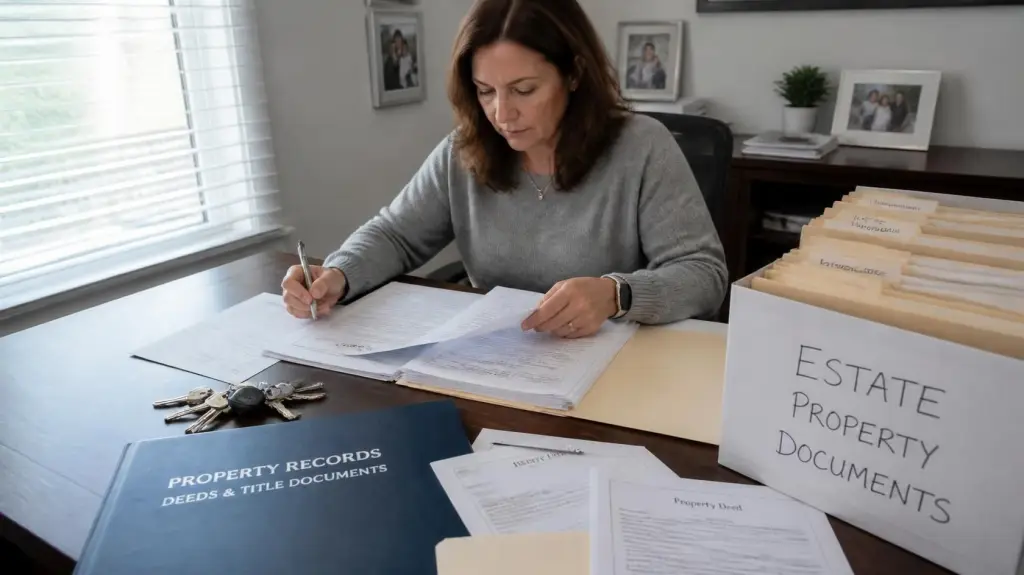
After the property is secure, the family can begin building a clearer picture of the home’s financial and physical condition.
That means gathering property documents, identifying regular bills, and learning as much as possible about the property’s current property value.
Important records may include:
- The deed or other ownership records.
- Mortgage statements and loan information.
- Property tax records.
- Homeowners insurance information.
- Utility bills.
- Home warranty information, if applicable.
- Repair invoices and contractor records.
- Homeowners association documents, if applicable.
- Recent appraisals or market information.
- Information about leases or tenants.
- Previous surveys or property-related documents.
Georgia Courts recognizes estate case records involving the management and distribution of estate assets, including inventories, appraisements, applications involving property sales, and other estate administration records.
Organizing these records early can make communication easier among family members, attorneys, accountants, real estate professionals, and the eventual personal representative.
Preparing an Estate Property During the Georgia Probate Process
The Georgia probate process can involve several legal and administrative steps. Families should therefore avoid assuming that a property can simply be sold, transferred, or divided because everyone agrees.
The role of the personal representative is especially important. Depending on the estate and the authority granted, the personal representative may have responsibilities involving estate assets, debts, records, and distribution. Georgia law also recognizes probate proceedings involving requests by a personal representative to sell property and other estate-related matters.
What Families Should Avoid Doing Too Quickly
Grief can create pressure to make fast decisions. However, moving too quickly can create confusion.
Before making major changes to the estate property, families should consider whether they have:
- Identified the person legally authorized to act for the estate.
- Located the will and other relevant property documents.
- Determined whether there is a mortgage or other lien.
- Identified taxes, insurance, utilities, and other ongoing property expenses.
- Documented valuable personal property.
- Discussed the property’s condition with the appropriate professionals.
- Determined whether legal permission or court action is required for a proposed transaction.
A family agreement is helpful, but family agreement does not necessarily replace legal authority. The probate court and applicable Georgia law determine how an estate is administered.
Before signing a listing agreement, transferring ownership, removing valuable property, or making a major repair, ask the estate’s attorney or qualified professional whether the action is appropriate at that stage of the probate process.
Read our blog Who Should Be on Your Estate Team to learn when a hiring professionals is useful while making complex decisions about selling, transferring assets and how to choose the right professional that can review and answer questions about the deceased estate.
Managing Ongoing Property Expenses

One of the most overlooked parts of preparing an estate property is paying the bills while the estate is being settled.
A vacant home may still have a mortgage, property taxes, insurance, utilities, security expenses, lawn care, repairs, association dues, and other costs.
Create a simple monthly record so the family can see what the property costs to maintain.
| Expense | Why It Matters | What to Track |
|---|---|---|
| Mortgage | Protects against missed payments and additional costs | Payment, balance, lender |
| Property taxes | Taxes may continue to be due | Due dates and amounts |
| Insurance | Coverage may have special requirements after death or vacancy | Policy and insurer |
| Utilities | Some services may be needed to protect the home | Monthly bills |
| Lawn care | Helps preserve the property's condition | Service dates and costs |
| Repairs | Prevents small issues from becoming larger | Invoice and description |
| Security | Reduces risk at an unoccupied property | Monitoring and service cost |
The exact expenses will vary from property to property. Nevertheless, tracking them gives the family a financial picture that can help with estate settlement in Georgia.
Property Maintenance: Preserve Value Without Overspending
Good property maintenance is about protecting the property, not automatically making every possible improvement.
For example, repairing an active roof leak may be important. Replacing a dated kitchen simply because a family member thinks it would look better may be a different decision.
Before spending estate funds, consider the purpose of the work.
Essential Maintenance
Essential work generally focuses on safety, security, preventing damage, or complying with an existing obligation.
Examples can include:
- Repairing active leaks.
- Addressing dangerous electrical or structural conditions.
- Protecting the home from weather damage.
- Maintaining necessary heating or cooling systems.
- Removing hazardous debris.
- Addressing urgent pest or water problems.
Optional Improvements
Optional work should receive more careful consideration. Cosmetic remodeling, luxury upgrades, landscaping changes, and similar projects may not provide enough benefit to justify the cost.
Therefore, families should document why a significant expense is being considered and discuss it with the appropriate estate professional when necessary.
Attention to Property Value: Know What the Property May Be Worth
Understanding property value is another important part of preparing an estate property.
Families sometimes estimate value based on what a neighbor sold a house for or what someone remembers paying years ago. Those estimates can be useful starting points, but they should not automatically be treated as a professional valuation.
The property’s condition, location, size, improvements, market conditions, zoning, taxes, liens, and other factors can affect value.
Depending on the estate’s needs, the family may want information from a qualified real estate professional, appraiser, attorney, or other appropriate adviser.
The purpose is not simply to obtain the highest number possible. Instead, the family needs reliable information for decisions involving the estate.
Probate Real Estate: Prepare Before Considering a Sale
Probate real estate requires special care because ownership and authority are part of the estate administration process.
A common mistake is assuming that an interested family member can immediately put the property on the market. In reality, the person authorized to act for the estate and the authority available to that person matter.
Georgia’s official resources identify the executor or representative as the person responsible for submitting the will to probate and seeing that the decedent’s wishes are carried out.
If a sale is being considered, gather the relevant property documents first. Then determine what approvals, notices, professional services, or court procedures may apply.
A Practical Estate Property Checklist Before a Sale
Before discussing a potential sale, families can organize the following information:
- Current ownership information.
- Copy of the deed, if available.
- Mortgage and lien information.
- Property tax status.
- Insurance information.
- Current condition photographs.
- Repair and maintenance records.
- Recent valuation or comparable market information.
- Utility and service costs.
- Information about occupants or tenants.
- Contact information for the personal representative.
- Probate case information, when available.
This checklist does not replace legal advice. Instead, it helps the family organize facts before professional decisions are made.
If the family is considering selling the home, gather the property file first. A complete file can make the next conversation with the personal representative, attorney, and real estate professional much more productive.
Read our blog How to Sell Inherited Home understanding the steps involved while communicating with other heirs, organizing important documents, and preparing the property to be listed.
Build a Simple Family Plan
Once the family understands the property’s condition and expenses, the next step is creating a written plan.
The plan does not have to be complicated. It should answer five basic questions: Who is responsible? What needs to be done? What does it cost? What documents are missing? What decision comes next?
A useful plan may look like this:
- Secure the property. Confirm that doors, windows, utilities, insurance, and essential systems are addressed.
- Document the condition. Take photographs and record known problems.
- Collect records. Organize deeds, tax records, insurance information, mortgages, bills, and repair records.
- Track expenses. Maintain a simple monthly record of ongoing property expenses.
- Understand value. Gather appropriate information about the property’s likely market value.
- Coordinate with the personal representative. Make sure the person with legal authority knows what is happening.
- Get professional guidance. Ask qualified professionals about legal, tax, real estate, or financial issues.
- Plan the next step. Decide whether the property should be maintained, rented, sold, transferred, or handled another way based on the estate’s circumstances.
This approach keeps the family focused on facts instead of assumptions.
Property Documents: Build One Estate Property File
A central file can make estate settlement in Georgia easier to manage.
Whether the family uses a physical binder, secure digital folder, or both, the goal is to make important information easy for authorized people to locate.
The file can include the following:
- Deed and ownership records.
- Probate documents.
- Will and related estate documents.
- Mortgage statements.
- Tax bills and receipts.
- Insurance policies.
- Utility accounts.
- Repair receipts.
- Contractor information.
- Appraisals or valuation reports.
- HOA documents.
- Lease agreements, if applicable.
- Photographs of the property.
- A running list of estate-related expenses.
Georgia Courts provides standard probate forms and resources through the Council of Probate Court Judges, while individual probate courts handle estate proceedings within their jurisdiction.
What Families Should Remember About Georgia Probate
Every estate is different. A simple estate may require fewer steps than an estate involving disputes, significant debt, multiple beneficiaries, real estate, business interests, or other complications.
Most importantly, family members should not confuse preparation with legal authority. Preparing the property means protecting it, organizing information, controlling unnecessary expenses, and preserving its condition. It does not automatically give every family member authority to sell or transfer the property.
When questions involve legal rights, court authority, taxes, creditor claims, title, or distribution, the family should obtain advice from an appropriate Georgia professional.
FAQ: About Preparing an Estate Property in Georgia
What does preparing an estate property mean?
Preparing an estate property means taking reasonable steps to protect and organize a property after the owner’s death while the estate is being administered. This may include securing the home, maintaining essential systems, documenting its condition, gathering property documents, tracking expenses, and learning its potential value.
Can a family member sell estate property before probate is completed?
Not necessarily. The answer depends on the circumstances of the estate, the authority of the personal representative, the property, and applicable Georgia law and probate procedures. Families should obtain professional guidance before attempting to sell or transfer property.
Who pays ongoing property expenses?
The answer can depend on the estate’s assets, the nature of the expense, and the circumstances of the estate. Families should keep detailed records and consult the personal representative or appropriate professional about how expenses should be handled.
Should an estate property be renovated before selling?
Not automatically. Essential repairs may help protect the property, while cosmetic improvements may or may not provide enough benefit to justify their cost. Compare the expected benefit with the expense before making major improvements.
What property documents should families collect?
Start with ownership records, mortgage information, tax records, insurance policies, utility information, repair records, HOA documents, leases, appraisals, and probate-related documents. The exact documents needed will depend on the property and estate.
Why is property value important during probate?
Reliable information about property value can help the estate make informed decisions. It may also be relevant when evaluating whether to maintain, sell, transfer, or otherwise manage the property.
Where does Georgia probate happen?
Georgia probate courts have original jurisdiction over probate of wills and administration of decedents’ estates. The appropriate county probate court depends on the circumstances of the estate.
Conclusion: Protect the Property While the Estate Moves Forward
Preparing an estate property does not have to mean making every decision immediately. In many cases, the smartest first move is simply to protect the property, document its condition, organize property documents, and understand ongoing property expenses.
From there, the family can work with the personal representative and appropriate professionals to understand the Georgia probate process and determine what should happen next.
A well-maintained and well-documented estate property gives the family more options. Just as importantly, clear records can reduce confusion when multiple family members are involved.
If your family is facing an estate property in Georgia, start with the basics: secure the property, create the estate property checklist, gather the records, track the costs, and ask questions before making major decisions. That simple process can provide a much clearer path toward an orderly estate settlement in Georgia.