




How to File Probate Without a Will in Georgia? A Family Guide to Probate Petition Process

Blog Georgia Probate Petition Filing Process

Explore more probate-related resources, tools including estate planning and real estate services.

Disclaimer: This site contains affiliate links. If you make a purchase through them, we may earn a small commission at no extra cost to you.

Table of Contents

What Happens When Someone Dies Without a Will in Georgia?

Mourning family reviewing estate documents after a loved one's death in Georgia.

Losing a loved one is one of life’s most difficult experiences. Along with grief and uncertainty, families are often faced with important legal and financial decisions. One of the most common questions families ask is, “What happens if my loved one died without a will?”

In Georgia, when a person dies without a valid will, they are considered to have died intestate. This means the estate is handled according to Georgia intestate succession laws rather than the deceased person’s written wishes.

Before assets can be distributed to family members, the estate will usually go through the Georgia probate process. While probate may sound intimidating, understanding the steps involved can help families move forward with confidence.

Whether you’re a spouse, child, sibling, or other family member, knowing how to begin the process can help prevent delays and protect your loved one’s legacy.

Need help understanding your next steps? Download our free Georgia Probate Checklist or consult a probate real estate professional to determine what documents you will need before filing with the court.

How to File Probate Without a Will in Georgia

The first step in how to file probate without a will in Georgia is filing a Petition for Letters of Administration with the appropriate Probate Court.

When no will exists, the court appoints an administrator of an estate to manage the probate process. The administrator has a legal duty to protect estate assets, pay valid debts, and distribute property according to Georgia law.

Step 1: Determine Who Has the Right to File

Georgia law establishes a priority order for who may serve as administrator.

Typically, the following individuals may have priority:

  • Surviving spouse
  • Adult children
  • Parents
  • Siblings
  • Other legal heirs

If multiple family members wish to serve, the court may require written agreements or schedule a hearing to determine who should be appointed.

Step 2: Gather Required Documents
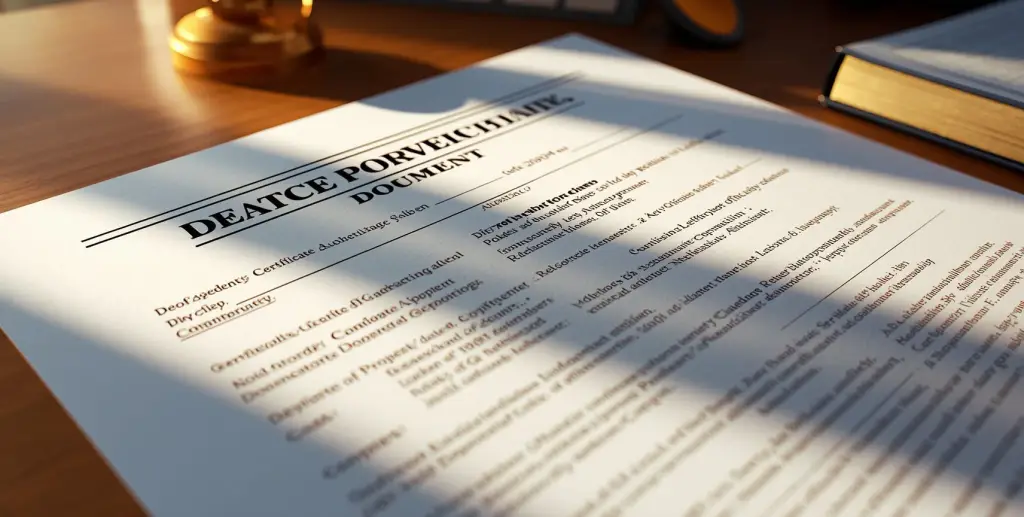
Death certificate and property records needed to file a Petition for Letters of Administration in Georgia.

Before filing the petition, gather important documents and information, including:

  • Certified death certificate
  • Names and addresses of all heirs
  • Bank account information
  • Real estate records
  • Insurance information
  • Vehicle titles
  • Identification for the petitioner

Having complete information available can help reduce delays during the estate administration in Georgia process.

Step 3: File a Petition for Letters of Administration

To begin probate, the petitioner must file a Petition for Letters of Administration with the Georgia probate court in the county where the deceased person lived.

The petition typically includes:

  • Full legal name of the deceased
  • Date of death
  • County of residence
  • List of heirs
  • Request to serve as administrator

The court will review the filing and determine whether additional information is needed before moving forward.

Step 4: Notify Heirs and Interested Parties

Georgia law requires heirs to receive notice of the probate proceeding. This ensures that all interested parties have an opportunity to review the filing and raise objections if necessary.

When heirs cooperate and provide any required consents, the probate process often moves more efficiently.

Step 5: Receive Letters of Administration

A Georgia family in probate courtroom receiving Letters of Administration for representing estate.

If the court approves the petition, it issues Letters of Administration.

This document gives the administrator legal authority to act on behalf of the estate. Financial institutions, insurance companies, and government agencies often require these letters before releasing information or transferring assets.

Not sure whether you’re eligible to serve as administrator? Speaking with a probate lawyer Georgia families trust can help you understand your rights and responsibilities before filing.

Why Following the Georgia Probate Process Matters

Many families mistakenly believe they can divide assets among themselves without court involvement. Unfortunately, doing so may create legal issues that can surface months or even years later.

Following the proper Georgia probate process helps:

  • Protect the rights of all heirs
  • Ensure debts are handled properly
  • Avoid future family disputes
  • Access financial accounts legally
  • Transfer property ownership correctly
  • Create a clear legal record

Proper estate administration in Georgia provides protection not only for beneficiaries but also for the administrator managing the estate.

Completing the process correctly can provide peace of mind during an already difficult time.

Read our blog, Getting Started in Georgia Probate, for a deeper look at Georgia probate procedures that covers the estate settlement and administration process.

Common Mistakes Families Make When Settling an Estate Without a Will
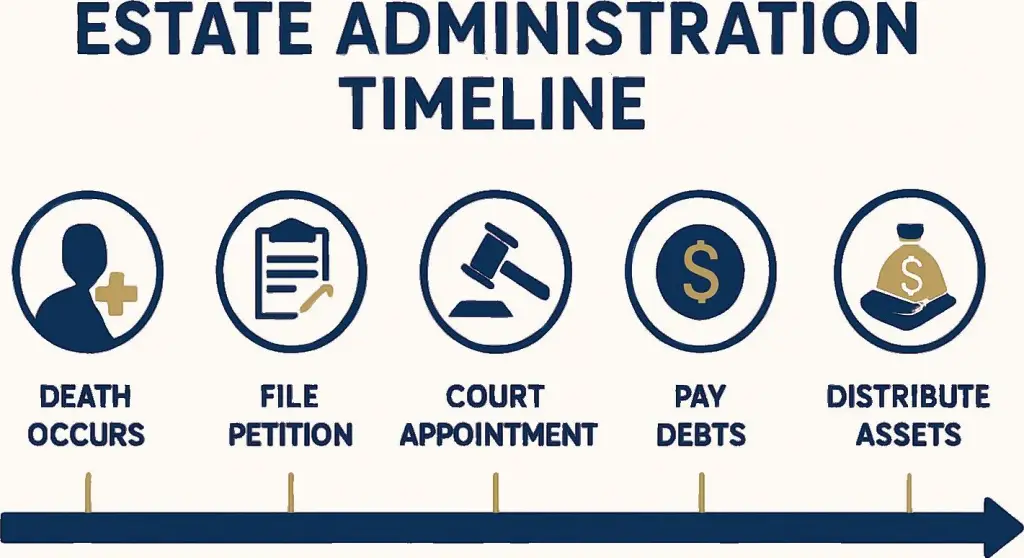
Georgia probate process timeline for estates without a will.

Families often encounter challenges because they are unfamiliar with settling an estate without a will.

Some common mistakes include:

  • Filing incomplete paperwork
  • Failing to identify all legal heirs
  • Distributing assets too early
  • Ignoring creditor claims
  • Missing court deadlines
  • Overlooking tax obligations

Another common issue occurs when family members disagree about who should serve as administrator. These disputes can slow the probate process and increase costs.

Keeping organized records and responding quickly to court requests can help avoid many of these problems.


How to Start Probate in Georgia Today

If your loved one passed away without a will, taking action sooner rather than later can help protect estate assets and prevent unnecessary delays.

Use this simple checklist to get started:

✓ Obtain certified copies of the death certificate

✓ Identify all heirs and beneficiaries

✓ Gather financial and property records

✓ Complete the Petition for Letters of Administration

✓ File with the appropriate Georgia probate court

✓ Respond promptly to court requests

✓ Maintain detailed records throughout the administration process

Ready to Begin the Probate Process?

If your family is facing the challenge of how to file probate without a will in Georgia, professional guidance may help simplify the process.

An experienced probate real estate specialist can help you understand court requirements, avoid costly mistakes, and move through the probate process with greater confidence.

Ready to move forward? Connect with Aura Belle Team today to discuss your family’s situation and learn the next steps for filing a Petition for Letters of Administration.

Frequently Asked Questions

How long does probate take in Georgia without a will?

The timeline varies depending on the complexity of the estate, the number of heirs involved, and whether disputes arise. Simple estates may take several months, while more complex cases can take longer.

Want to learn more about Georgia probate timelines? Get a clear overview of probate and estate administration in our blog, Navigating Georgia Probate Process.

Who inherits property under Georgia intestate succession laws?

Under Georgia intestate succession laws, inheritance rights typically pass to a surviving spouse, children, parents, or other close relatives according to a specific legal order.

Do I need a probate attorney?

Not every estate requires legal representation. However, estates involving real estate, business interests, family disputes, or significant assets often benefit from professional legal guidance.

Final Thoughts

The loss of a loved one is never easy, but understanding the Georgia probate process can help families navigate the legal responsibilities that follow. By learning how to file probate without a will in Georgia, gathering the necessary documents, and filing a Petition for Letters of Administration, families can move through probate with greater confidence.

Taking the proper steps today can help protect your loved one’s legacy, ensure compliance with Georgia probate law, and provide clarity during a difficult chapter in life.

Disclaimer

This article provides general educational purposes only and does not constitute legal, financial, tax, estate planning, probate, or professional real estate advice. Your use of this website or communication through it does not create an client nor agency relationship. Georgia estate requirements can vary based on the will, assets, debts, beneficiaries, county requirements, and other circumstances. You should consult a qualified Georgia professional licensed or the probate court in your jurisdiction handling the proceeding before relying on any information provided herein. All content is accurate only as of its date of publication, and we are under no obligation to update outdated information. The owners, contributors, and data providers of this website disclaim all liability for any actions taken or not taken based on its content or any data displayed.

Disclosure

This article was created with AI assistance and reviewed by our editorial team to ensure accuracy and value for our readers. We’re pleased to share strategies and insights that may support our readers along their probate journey and goals. Just remember that everyone’s path is different, and what works for one person may not work the same way for another. Results can vary, and there are no guarantees. We hope you find something here that encourages, supports, and inspires you. Thank you for taking the time to visit!

Georgia probate real estate specialist supporting all families across Georgia.

Author

Shawn Wortham

Shawn is a Georgia real estate professional who helps homeowners, heirs, executors, and families with estate property matters throughout the probate process. He is passionate about providing helpful information and guidance during what can be a challenging life transition. Outside of work, Shawn enjoys spending time with family, watching movies, fishing, and traveling.

You might also like