




When Families Should Call in Legal Expertise for Probate: A Georgia Family's Guide to Protecting Estate Property
The death of a loved one is one of the most difficult experiences a family can face. Along with grief and emotional loss, families are often left with important legal and financial decisions regarding homes, land, bank accounts, personal belongings, and other assets. During this challenging time, many families ask whether they need legal expertise for probate and how Georgia law affects inherited property.
The answer depends on the circumstances of the estate. Some estates are relatively straightforward, while others involve family disagreements, real estate concerns, creditor claims, or questions about inheritance rights. Understanding when legal guidance may be beneficial can help families protect assets, avoid costly mistakes, and move through the probate process with greater confidence.
This article explains how death affects family estate property, the role of probate in Georgia, situations that often require professional legal assistance, and practical steps families can take when settling a loved one’s estate.
Why Probate Decisions Matter More Than Most Families Realize
When a family member passes away, many people assume property automatically transfers to surviving relatives. In reality, that is not always the case.
Assets owned solely by the deceased may need to pass through Georgia probate court before they can legally be transferred to heirs. This process helps ensure that debts are addressed, ownership is properly transferred, and inheritance rights are protected.
Many families search for answers to questions such as:
- What happens to property after death in Georgia?
- Do I need a probate attorney?
- How long does probate take in Georgia?
- What is the Georgia probate process?
- Who inherits property without a will in Georgia?
- How to transfer inherited property in Georgia
- Estate administration Georgia
- Probate lawyer near me
- Inheritance laws in Georgia
- Executor of estate responsibilities
These are important questions because decisions made during probate can affect a family’s finances, relationships, and future plans for years to come.
If your family is unsure about estate responsibilities, Get our Free Probate Checklist for guidance before beginning the probate process and making decisions about inherited property.
How Death Affects Family Estate Property
Understanding the Georgia Estate Settlement Process
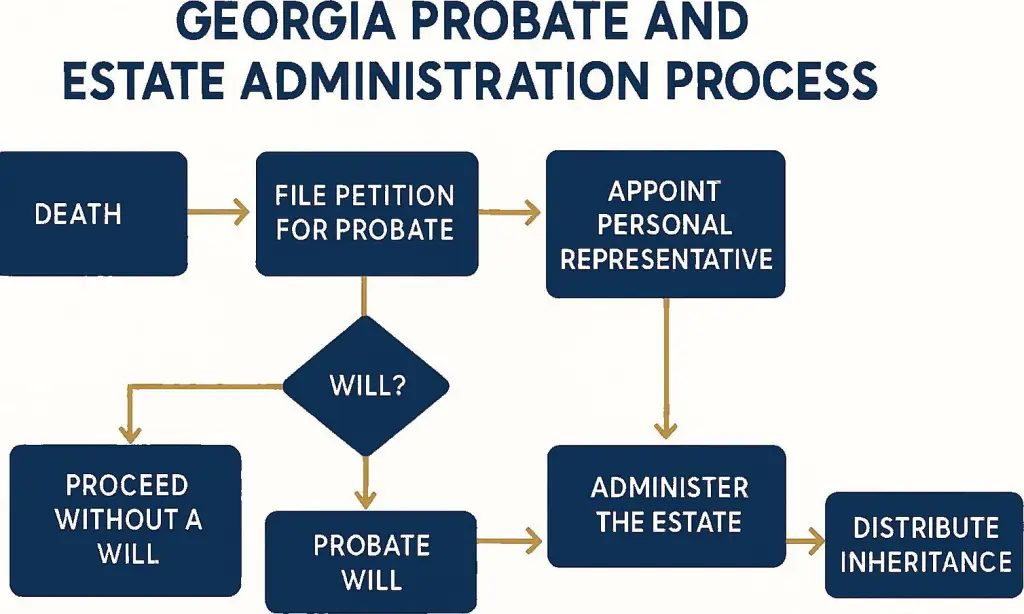
The estate settlement process involves identifying assets, paying debts, resolving legal matters, and distributing property to beneficiaries or heirs.
Estate property may include:
- Family homes
- Rental properties
- Land
- Vehicles
- Bank accounts
- Retirement accounts
- Investments
- Business interests
- Personal belongings
Some assets transfer automatically through beneficiary designations or joint ownership. However, many assets require formal probate proceedings.
What Happens if There Is No Will?
When a person dies without a valid will, Georgia’s intestate succession laws determine who inherits property.
This often creates uncertainty among family members because expectations do not always match what Georgia law provides.
Common inheritance situations include:
- Spouses sharing inheritance with children
- Children inheriting equal portions
- Parents inheriting when there are no descendants
- Siblings inheriting when closer relatives do not exist
Understanding these laws is one reason families often seek probate guidance.
Common Probate Challenges Families Face
Even close families can encounter unexpected complications.
These may include:
Multiple Heirs Inheriting the Same Property
A family home inherited by several children often creates questions about:
- Selling the property
- Maintaining the property
- Sharing expenses
- Dividing proceeds
Disputes Over Personal Property
Sentimental items can sometimes become sources of conflict.
Unknown Debts
Families may discover:
- Credit card debt
- Medical bills
- Tax obligations
- Mortgage balances
Missing Estate Documents
Missing paperwork can delay the administration process.
Family Disagreements
Conflicts may arise regarding:
- Property distribution
- Executor decisions
- Asset values
- Caregiving contributions
- Family heirlooms
Disputes can quickly become emotional and legally complicated.
Families who understand how probate affects estate property are often better prepared to avoid delays and disagreements later in the process.
Read our blog, Probate Challenges Protecting Family Homes, about hidden estate problems facing Georgia families without a will and what steps can be taken to avoid it.
When Families Should Seek Legal Expertise for Probate
Signs It Is Time to Contact a Probate Attorney
1. There Is No Will
One of the most common reasons families seek legal guidance is when a loved one dies without a valid will.
Georgia probate laws determine who inherits, but understanding those rules is not always simple.
A probate attorney can help families navigate the court process and avoid costly mistakes.
2. The Estate Includes Real Estate
Homes are often a family’s most valuable asset.
Questions frequently arise regarding:
- Selling inherited property
- Transferring ownership
- Mortgage obligations
- Multiple heirs inheriting a home
Legal guidance can help families make informed decisions while protecting property value.
3. Family Members Disagree
Disputes among siblings, spouses, children, or extended relatives can delay probate and damage relationships.
An attorney can help clarify legal rights and reduce misunderstandings.
4. Creditors Are Making Claims
Families are often uncertain about which debts must be paid and which claims may be challenged.
Professional legal assistance helps ensure the estate follows Georgia law.
5. The Estate Is Large or Complex
High-value estates often include:
- Investment accounts
- Businesses
- Commercial property
- Multiple beneficiaries
- Tax concerns
These situations generally benefit from experienced probate guidance.
6. The Executor Feels Overwhelmed
Being an executor or administrator is a major responsibility.
Common executor duties include:
- Gathering assets
- Paying debts
- Filing court documents
- Managing property
- Communicating with heirs
Many executors seek legal support simply because they want reassurance that they are handling the estate properly.
Benefits of Hiring Probate Legal Counsel
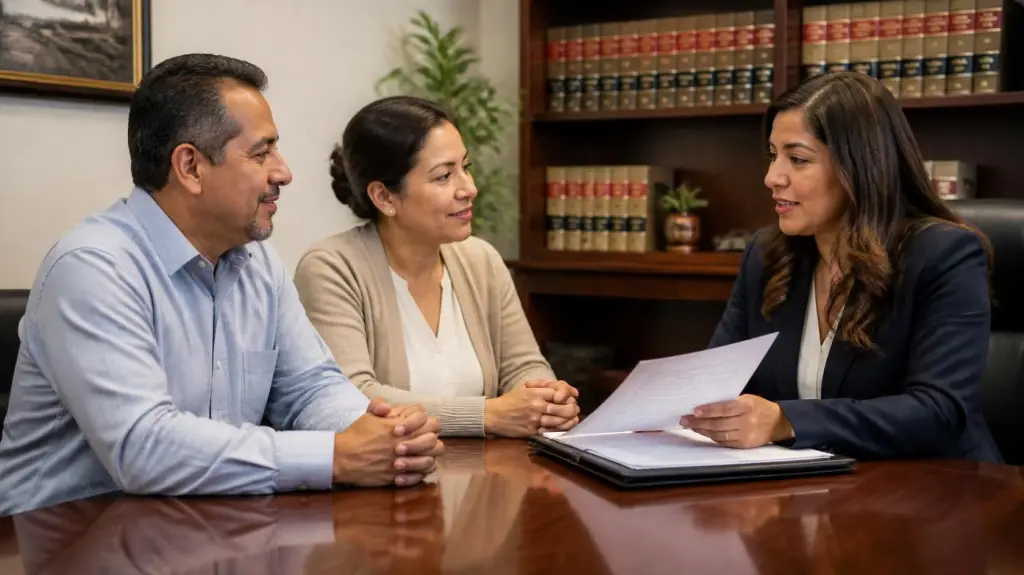
Families often discover several advantages when working with probate professionals.
| Reduced Stress Professional guidance helps simplify a process that can feel overwhelming. | Fewer Delays Proper filing and administration often help move the estate through probate more efficiently. |
| Better Asset Protection Attorneys help protect estate assets from avoidable mistakes. | Family Peace of Mind Knowing legal requirements are being handled correctly provides confidence during a difficult time. |
| Courtroom Representation Attorneys represent the family’s estate interests and advocate for their rights in court proceedings. | |
If your family is dealing with estate property, consider Connecting with Aura Belle Team today to discuss your family’s situation and get the information you need to move forward before problems grow larger.

Steps Families Should Take After a Loved One's Death
If your family is beginning the estate settlement process, consider these practical steps:
Step 1: Obtain Death Certificates
Multiple certified copies are often needed.
Step 2: Gather Estate Documents
Collect:
- Property deeds
- Bank records
- Insurance policies
- Tax documents
- Investment statements
Step 3: Identify Heirs and Beneficiaries
Create a complete list of family members who may have legal rights.
Step 4: Evaluate Estate Complexity
Ask:
- Is there a will?
- Are there multiple properties?
- Are family members in agreement?
- Are there business assets?
- Are creditors involved?
Step 5: Seek Legal Expertise When Necessary
The earlier professional guidance is obtained, the easier many probate challenges become to manage.
If your family has questions about probate, inheritance, or estate property decisions, schedule a consultation with professional before making major financial decisions.
Finding the Right Georgia Probate Attorney
Choosing the right attorney is crucial. Here are some tips to help you find a cost-effective, qualified, and experienced probate attorney in Georgia:
- Seek recommendations: Ask friends, family, or professionals like financial advisors for recommendations.
- Consider experience and expertise: Look for attorneys with experience handling estates similar to yours in size and complexity.
- Ask about fees: Probate attorneys typically charge by the hour or a flat fee. Be sure to get a clear understanding of their fees upfront.
- Schedule consultations: Interview several attorneys to assess their communication style, fees, and overall approach.
- Feel comfortable and confident: Choose an attorney who you feel comfortable with and trust to handle your loved one’s estate with sensitivity and respect.
Here are some additional resources to help you find a Georgia probate attorney:
- The Georgia Bar Association: The Georgia Bar Association has a lawyer referral service that can connect you with an attorney in your area who specializes in probate law.
- Avvo: Avvo is a website that allows you to search for attorneys by location and area of practice.
- Justia: Justia is another website that allows you to search for attorneys by location and area of practice.
Frequently Asked Questions About Probate in Georgia
Do I need a probate attorney in Georgia?
Not every estate requires an attorney, but legal assistance is often helpful when estates involve real estate, disputes, business interests, significant assets, or no will.
Do all estates go through probate in Georgia?
Not necessarily. Some assets pass directly to beneficiaries through survivorship rights or beneficiary designations.
What happens if someone dies without a will in Georgia?
Georgia’s intestate succession laws determine who inherits the estate and who may serve as administrator.
How long does probate take in Georgia?
The timeline varies depending on the complexity of the estate, creditor claims, court schedules, and family cooperation.
Can family members sell inherited property during probate?
In many situations, court approval or proper legal authority may be required before estate property can be sold.
What are an executor’s responsibilities?
Executors gather assets, pay debts, communicate with heirs, file required documents, and distribute property according to the law or the will.
What is the biggest probate mistake families make?
Many families distribute assets too early, fail to understand legal obligations, or delay seeking professional guidance when complications arise.
Final Thoughts
The loss of a loved one affects far more than emotions. It also impacts family property, inheritance decisions, financial responsibilities, and future planning. While some estates move through probate with few complications, others involve legal questions that require professional attention.
Understanding when to seek legal expertise for probate can help families protect valuable assets, avoid unnecessary disputes, and make informed decisions during a difficult time. By recognizing potential challenges early and seeking guidance when needed, families can navigate the Georgia probate process with greater confidence and peace of mind.
If your family is facing estate administration questions, property concerns, or probate challenges, do not wait until problems escalate. Early legal guidance can help preserve assets, protect family relationships, and ensure the estate is handled properly.
Ready to learn more about probate administration in Georgia? Visit our website for valuable resources, answers to frequently asking questions, and receive personalized guidance.