



When a Family Home Becomes Estate Property
When a loved one dies, families often ask, “What happens to a house when someone dies?” If the person owned a home, an inherited house in Georgia may become one of the most important and difficult parts of the estate settlement process.
A family home can have emotional value, financial value, or both. One family member may want to keep it. Another may prefer to sell it. Someone else may believe the house should be transferred to several beneficiaries. Meanwhile, the estate may still have a mortgage, property taxes, insurance costs, repairs, or other obligations.
The answer is not always as simple as handing the keys to the person named in a will. The way the home is owned, the terms of the will or other estate-planning documents, the existence of debts, and the authority of the personal representative can all affect what happens next.
For Georgia families, there are generally four possibilities to understand:
- The house may pass to a beneficiary.
- The house may be sold, with the proceeds handled as part of the estate.
- The house may be transferred to heirs or beneficiaries after the appropriate estate steps.
- The house may remain in the estate temporarily while debts, probate, title, or other matters are resolved.
Understanding these possibilities can help families make decisions without rushing.
Why an Inherited House in Georgia Can Be Complicated

An inherited house in Georgia is more than a building. It may contain decades of family memories, personal belongings, important documents, and financial responsibilities.
At the same time, a house can be one of the largest assets in an estate. That makes the decision about what happens to the property especially important.
Georgia law provides that, in certain intestate situations, title to real property may vest in heirs subject to administration, and an appointed administrator can have authority concerning the property for purposes such as paying debts and distributing the estate. The exact result depends on the circumstances and the type of ownership involved.
That is why families should not assume that possession of the keys means someone can immediately sell, refinance, transfer, or give away the home.
Before Making a Decision
Before deciding what to do with the home, the family should first determine how the property was owned.
The following questions can provide a useful starting point:
- Was the house owned solely by the person who died?
- Was another person listed on the deed?
- Did the deed include survivorship rights?
- Was the home held through a trust?
- Does the will specifically address the house?
- Are there mortgages, liens, or unpaid property taxes?
- Are there several heirs or beneficiaries?
- Does the estate have enough other assets to pay its obligations?
These questions matter because property that passes outside probate may be treated differently from property that must be administered through the estate.
Before cleaning out, selling, or transferring the family home, locate the deed, will, trust documents, mortgage information, and recent tax records. Those documents can reveal what needs to happen next.
Read our article How to Prepare an Estate Property for Sale. Learn careful planning that can help protect the estate property and preserve important documents for making decisions.
What Happens to an Inherited House in Georgia During Estate Distribution?
The simplest way to understand an inherited house in Georgia is to think about four possible outcomes: the home passes to a beneficiary, the home is sold, the home is transferred, or the home remains part of the estate for a period of time.
The House May Pass to a Beneficiary
A will may specifically leave a house to a person. For example, a parent might state that the family home should go to one child.
However, a gift in a will does not necessarily mean the beneficiary should immediately treat the house as completely free from estate administration.
Georgia law provides rules concerning the passage of title to heirs or beneficiaries and the assent of the personal representative. Under O.C.G.A. 53-8-15, assent to a devise can cause property to pass out of the estate.
In practical terms, the family may need to wait until the estate has addressed the matters that must be resolved before the property can be fully transferred.
This is especially important when the estate has debts or other claims.
The House May Be Sold
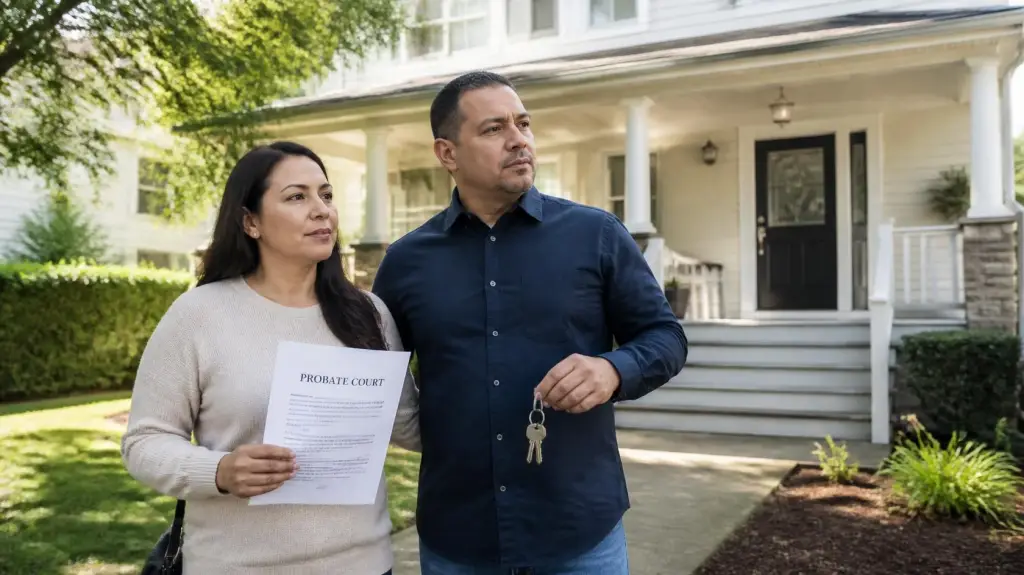
Another common option is to sell a house during probate.
A sale may make sense when:
- The estate needs money to pay legitimate debts or expenses.
- Several beneficiaries would rather divide sale proceeds than own a house together.
- The home is too expensive to maintain.
- No beneficiary wants to live in the property.
- The will or estate plan calls for a sale.
- Selling the property provides a practical way to divide the estate.
Georgia law provides a procedure for a personal representative seeking to sell certain estate property. The statute calls for a petition to the probate court containing information about the property, the purpose of the transaction, proposed price and terms, and affected heirs or beneficiaries. Notice and court procedures may then apply.
However, the precise procedure can depend on the authority granted by the will and the circumstances of the estate. Families should therefore avoid assuming that every probate house sale follows exactly the same path.
What Happens to the Sale Proceeds?
When an inherited house in Georgia is sold as part of estate administration, the money does not necessarily go straight into the beneficiaries’ pockets.
The proceeds may first need to be considered in connection with:
- Mortgage or other secured obligations.
- Valid estate debts.
- Administration expenses.
- Taxes and other required payments.
- Closing costs and sale-related expenses.
- Distribution requirements under the will or applicable law.
The remaining amount may then be distributed according to the estate’s legal requirements.
This is one reason families should not divide expected sale proceeds before the personal representative and appropriate professionals determine what the estate owes.
The House May Be Transferred to Heirs
Sometimes the family decides that keeping the property makes more sense than selling it.
For example, three siblings may inherit a parent’s home and agree that one sibling will receive the house while the others receive other estate assets of comparable value.
Another possibility is that multiple beneficiaries become owners of the property.
The important point is that an informal family agreement is not necessarily enough to establish clean title. The estate may need appropriate documents, deeds, court orders, or other steps depending on the circumstances.
A title company or real estate attorney can help determine what documents are needed to establish the new ownership.
The House May Remain in the Estate Temporarily
Not every probate house needs to be sold or transferred immediately.
A home may remain tied to the estate while the personal representative works through:
- Probate proceedings.
- Creditor issues.
- Mortgage questions.
- Property taxes.
- Insurance.
- Appraisal or valuation.
- Title concerns.
- Family disagreements.
- Necessary repairs.
- Sale authorization.
- Distribution decisions.
This temporary period can actually protect the family from making a decision too soon.
For example, imagine that a parent leaves a home worth $400,000 but also has substantial debts and other obligations. The family cannot safely assume that the entire $400,000 represents an inheritance. The home may need to be evaluated alongside the estate’s complete financial picture.
If your family is considering an inherited property, make a simple property file containing the deed, mortgage statement, tax bill, insurance policy, utility information, repair records, and probate documents. Keeping everything together makes later decisions easier.
Read our blog What is Georgia Probate Inventory how to start collecting information about the estate. Learn how to organize, collect estate assets and why organizing these records can help families understand what the estate owns and owes.
Choosing What to Do With Estate Property
Once the family understands the four basic possibilities, the next question becomes practical: Which option makes the most sense?
The answer depends on the estate and the family’s goals.
| Option | When it may make sense | Important consideration |
|---|---|---|
| Pass to beneficiary | The will gives the home to a specific person | Estate obligations and transfer requirements still matter |
| Sell the house | The estate needs funds or beneficiaries prefer cash | Sale authority and probate procedures must be reviewed |
| Transfer to heirs | Family members want to keep the property | Deed, title, taxes, and ownership percentages should be addressed |
| Remain temporarily | Probate, debts, title, or family decisions are unresolved | Property still needs insurance, maintenance, and expense management |
This comparison shows why there is no single answer to what happens to a house when someone dies.
When Keeping the House May Make Sense
Keeping the home may be attractive when it has strong family meaning or when a beneficiary wants to live there.
It may also make financial sense if the property is affordable to maintain and the estate can resolve its debts without selling the house.
However, families should look beyond the home’s market value.
Consider the ongoing costs:
- Mortgage payments.
- Property taxes.
- Homeowners insurance.
- Utilities.
- Repairs and maintenance.
- Landscaping.
- Security.
- Possible renovations.
- Future selling costs.
A house that appears to be a valuable inheritance can become a financial burden if no one has a realistic plan for maintaining it.
When Selling May Make More Sense
Selling can be practical when the beneficiaries live in different states, cannot agree on who should live in the home, or simply need the value of the property converted into cash.
A sale can also simplify distribution because money may be divided more easily than a physical house.
Still, families should understand that a Georgia probate real estate transaction may require legal and title work before closing.
Georgia’s statutory process can require court involvement when a personal representative seeks authority to sell property under the applicable procedure. The Georgia Supreme Court provides a standard form specifically titled “Petition of Personal Representative for Leave to Sell Property.”
When a Family Transfer May Be Better
A transfer may work when one beneficiary wants the home and the family can reach a fair arrangement.
For example, suppose an estate includes a $300,000 home and $300,000 in other assets. One child might receive the house while another receives other assets, depending on the will and applicable legal requirements.
The numbers must be reviewed carefully, though. A home’s estimated value is not necessarily the same as its net value after mortgages, liens, expenses, taxes, and selling costs.
A Family Checklist for an Inherited House in Georgia
If you are handling an inherited house in Georgia, do not feel that every decision has to be made immediately. A careful process can reduce mistakes.
Start by gathering the basic information below:
- Find the original deed or obtain a current property record.
- Locate the will and any trust documents.
- Confirm who currently has legal authority to act for the estate.
- Check for a mortgage or home-equity loan.
- Obtain the latest property-tax information.
- Confirm homeowners insurance coverage.
- Secure the property and protect valuable belongings.
- Document the home’s condition.
- Keep records of property-related expenses.
- Determine whether the estate has unpaid debts.
- Identify all heirs and beneficiaries who may have an interest.
- Obtain professional advice before signing a sale agreement or transferring title when authority is unclear.
The reason for this checklist is simple: the house cannot be considered separately from the rest of the estate.
Protect the Home While It Is Waiting
A house that remains in the estate temporarily still needs attention.
The family should make sure someone is responsible for basic maintenance and security. The property should also have appropriate insurance coverage, and the personal representative should keep records of expenses paid on behalf of the estate.
Do not assume that an empty house can simply sit untouched until probate ends. Water leaks, storm damage, frozen pipes, vandalism, unpaid utilities, and neglected maintenance can reduce the property’s value.
Be Careful About Moving Into the House
A beneficiary may want to move into the family home immediately. That can create problems if other beneficiaries have rights or if the property still needs to be administered.
A family member living in the home should understand who is responsible for utilities, repairs, insurance, taxes, and other expenses.
If the family cannot agree, the personal representative and legal counsel may need to establish a clear plan.
Get the Title Reviewed Before a Sale or Transfer
Title problems can delay an inherited house in Georgia sale.
A title review can reveal mortgages, liens, ownership issues, probate requirements, or other matters that need attention before a buyer can receive acceptable title.
Georgia law also provides specific procedures for sales of estate property, including notice and reporting requirements in applicable cases. A personal representative who conducts a sale under the statutory procedure must make a return to the probate court describing the property, purchaser, amount received, and terms.
If your family is ready to sell or transfer the house, gather the deed, probate documents, will, tax records, mortgage information, and beneficiary information before signing anything. A Georgia probate attorney and the closing/title professionals can help determine what must happen before the transaction is completed.
Read our blog Who Should Be on Your Estate Team to learn when a hiring professionals is necessary for selling and transferring property assets and how to choose the right professional that can review and answer questions about the deceased estate.
Frequently Asked Questions About an Inherited House in Georgia
What happens to a house when someone dies in Georgia?
It depends on how the property was owned and the estate documents. An inherited house in Georgia may pass to a surviving co-owner, beneficiary, or heir, be sold to address estate needs, be transferred after administration, or remain involved in the estate temporarily.
Can you sell a house during probate in Georgia?
A house can potentially be sold during probate, but the personal representative must have the appropriate authority. Georgia law establishes procedures for certain sales of estate property, including petition and notice requirements. The will may also affect the representative’s authority.
Who owns the house during probate?
The answer can depend on the type of ownership and whether an administrator or executor has been appointed. Georgia law provides specific rules governing title to real property and the rights of the personal representative and heirs.
Can an executor transfer a house to a beneficiary?
A transfer may be possible when the will and applicable law authorize it and the estate’s administration has reached the appropriate stage. Georgia law addresses the passage of title to heirs and beneficiaries and the personal representative’s assent.
Does an inherited house have to be sold?
No. Selling is only one possible outcome. An inherited property may instead be transferred to a beneficiary or remain involved in the estate while the family and personal representative resolve outstanding issues.
What if the heirs disagree about the house?
Disagreement can make the estate more complicated. The personal representative may need legal guidance about the authority to sell, transfer, or manage the property. Families should avoid informal actions that could affect another person’s legal interest.
Does Georgia have an inheritance tax on a house?
Georgia does not currently impose a state inheritance tax. The Georgia Department of Revenue also states that Georgia has no state estate tax for current estates under its post-2014 law. Other federal, state, property, income, or transaction-related tax issues can still arise.
What happens if the house has a mortgage?
The mortgage does not simply disappear when the owner dies. The estate and eventual property owner need to determine how the loan will be handled. The mortgage balance, loan documents, title, and applicable federal and state rules should be reviewed before deciding whether to keep or sell the home.
Final Thoughts: Give the House a Plan, Not a Deadline
For families dealing with an inherited house in Georgia, the most important thing to remember is that there is no universal rule requiring every house to be immediately sold or immediately transferred.
The home may pass to a beneficiary. It may be sold. It may be transferred to heirs. Or it may remain part of the estate temporarily while probate, debts, title, taxes, or family decisions are resolved.
The best first step is to understand who owns the property, who has authority to act, what the estate owes, and what the will or other estate documents require.
Most importantly, do not let emotional pressure force a rushed real estate decision. A family home may be worth significant money, but it may also represent years of memories. Giving the estate enough time to determine the correct path can protect both the property and the people who will ultimately receive it.
If you are responsible for an inherited house in Georgia, start by gathering the property and probate documents, securing the home, and identifying the people who have legal authority to act. Then discuss whether keeping, selling, transferring, or temporarily holding the property best fits the estate’s circumstances.
Read our blog How are Assets Distributed to learn about transferring assets to the beneficiaries or heirs. Understanding the responsibilities involving estate assets and distributions.